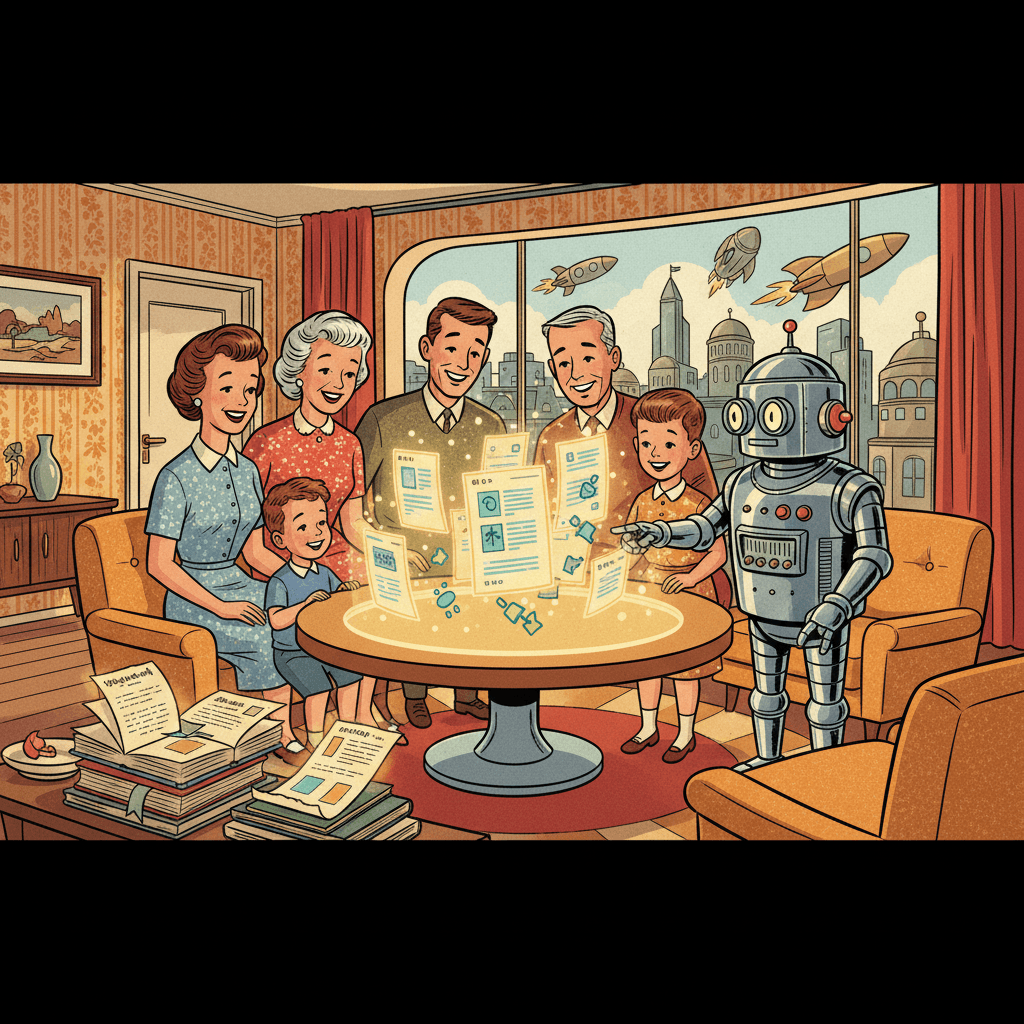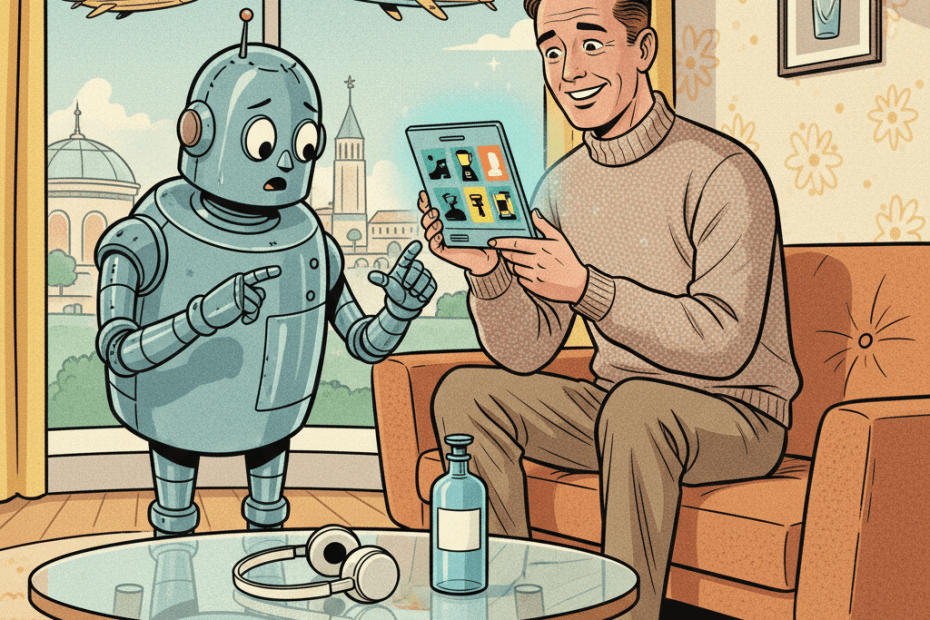
TikTok is full of polished product clips, dramatic before-and-after shots and eye-catching brand videos designed to make you stop scrolling. Increasingly, some of those ads are likely to have been made or heavily edited with AI. In theory, viewers should be told when that has happened. In practice, it does not always seem to be working that neatly.
A new report from The Verge says some TikTok ads that looked AI-generated appeared without the platform’s required disclosure, including Samsung promo videos that were labelled as AI-made on YouTube but not on TikTok. TikTok pointed back to its own rules, which say significantly AI-generated or AI-edited ads should carry either TikTok’s AIGC label or a clear disclaimer. That leaves a simple consumer problem: if the label is missing, should you trust what you are seeing?
For ordinary UK users, the sensible answer is no.
What TikTok’s rules actually say
TikTok’s advertising policy is fairly clear on the principle. Ads that are significantly modified by AI, or created with AI, are allowed only if they are disclosed. TikTok says that includes fully AI-generated images, video or audio, footage that shows a person doing something they did not really do, and cloned speech that makes someone appear to say words they never said.
On the wider TikTok platform, the company also says creators should label realistic AI-generated content, and that TikTok may add its own automatic label in some cases. Viewers might therefore assume the system is reasonably robust. The problem raised by The Verge is that ads can still slip through that net, even in a setting where the rules are stricter and the commercial stakes are higher.
That matters because an ad is not just entertainment. It is trying to persuade you to spend money, trust a brand or believe a claim about how a product works.
Why the missing label matters more in adverts than in ordinary posts
Most people already know TikTok contains filters, edits and highly managed content. But an AI-made advert can blur the line even further between a creative demonstration and something that looks like straightforward product evidence.
If a beauty tool appears to erase a problem instantly, if a gadget seems to work perfectly in impossible lighting, or if a home product is shown in a glossy scene that never existed, the viewer may come away with the wrong impression even if nobody has told an outright lie. The ad may still be real in the sense that a company paid for it. What is less clear is how much of what you are seeing was actually filmed in the ordinary way a shopper would assume.
That is especially relevant on a platform built for quick impressions. Most people are not pausing a TikTok advert to investigate whether a hand looks slightly wrong, whether reflections match, or whether the product behaviour shown would be hard to capture in real life. They are just absorbing a feeling: this looks smooth, this looks premium, this looks easy, this looks worth buying.
We have already seen how AI can change what people trust online, whether that is in search, chatbots or shopping tools. If you have read our piece on what UK buyers should check before trusting shopping advice from ChatGPT or Gemini, the same basic rule applies here: a persuasive AI layer is not the same thing as reliable evidence.
What UK shoppers should do in real life
The first useful habit is simple: do not treat the absence of an AI label as proof that a video is entirely camera-shot and literal. A missing label could mean the content was not heavily AI-edited, or it could mean the disclosure process failed.
The second habit is to separate the advert from the buying decision. If something on TikTok catches your eye, move off the app before you decide. Check the retailer’s main website, look for detailed product photos, read the specification properly, and see what independent reviewers or ordinary customers say. A glossy feed video should not be your main source of truth.
Third, be more cautious when the claim is hard to test at a glance. Beauty products, cleaning gadgets, health-adjacent devices, children’s products and expensive electronics all deserve a bit more scrutiny. If the whole sales pitch depends on a dramatic visual transformation, AI editing makes that sort of marketing even easier to over-polish.
It is also worth watching for small signs that something may be synthetic or heavily altered: warped text, objects changing shape between frames, odd hands, mismatched reflections or a voiceover that feels detached from the person on screen. None of these automatically mean the ad is fraudulent. They are just prompts to slow down.
The awkward part for TikTok is that it already offers creator labels, automatic labels in some cases, and published rules for both ordinary content and adverts. If it still cannot consistently surface an AI disclosure in paid promotions, viewers are not being given the context they expect. We saw a similar gap earlier this month when TikTok’s AI-avatar rules looked firmer on paper than in practice.
The calm, practical takeaway
There is no need to panic every time an advert looks a bit too perfect. AI-made or AI-edited ads are not automatically scams, and some will simply be another version of the airbrushing, scripting and visual polish that advertising has always used.
But the bar for transparency should arguably be higher, not lower, once synthetic media becomes cheap and normal. If a platform says AI-heavy ads should be labelled, ordinary users should be able to rely on that.
Until that happens consistently, the safest approach is a boring one: enjoy the scroll, assume the video may be more manufactured than it looks, and do your real checking somewhere slower before you buy.
Sources:
The Verge — Why can’t TikTok identify AI generated ads when I can?
TikTok Advertising Policies — Misleading and false content
TikTok Help Center — AI-generated content