A strange photograph travels faster than a careful correction. That is the practical lesson from a recent AI image that made its way from an official-looking source into news coverage around the world.
The Guardian reported that an image shared by a Thai police station appeared to show officers in sparkly dresses standing with a handcuffed suspect. The arrest was real, but the picture was not. The station later shared the real image, which showed officers in normal clothes, and the supposed female officer in the AI-made version was not in the original scene at all.
For UK readers, the useful point is not the oddness of the picture. It is that the fake image was not simply a random post from an unknown account. It came from a police station’s Facebook page, which made it feel more credible. Some newspapers then treated it as genuine before later clarifying that the image was AI-generated.
That is why AI images are becoming harder to handle in everyday life. We are used to asking whether a source is trustworthy. Now we also have to ask whether a trustworthy source might have shared something artificial, edited, mislabelled or misunderstood.
Why this one matters
The image had all the ingredients of a viral story: an official setting, a surprising visual, a clear punchline and an easy reason to share. It was funny enough to feel harmless, but official enough to feel real.
According to the Guardian, the administrator responsible for the police station’s Facebook account had wanted to create a friendlier image for the police. That detail matters because it shows how AI fakes do not always begin with a grand conspiracy. Some start as jokes, illustrations, marketing shortcuts or attempts to make a dull update more engaging.
Once posted, though, the intention becomes less important than the effect. A made-up picture can be screenshot, reposted, cropped, captioned, embedded in a news article and separated from the original explanation. By the time the correction appears, many people will only remember the first version.
This is the same media literacy problem ManyHands has covered before in a different form: AI video labels can help viewers, but they cannot do all the checking for us. Labels, corrections and disclosure tools are useful, but they often arrive late or depend on the person posting the content being honest and careful.
Official does not always mean verified
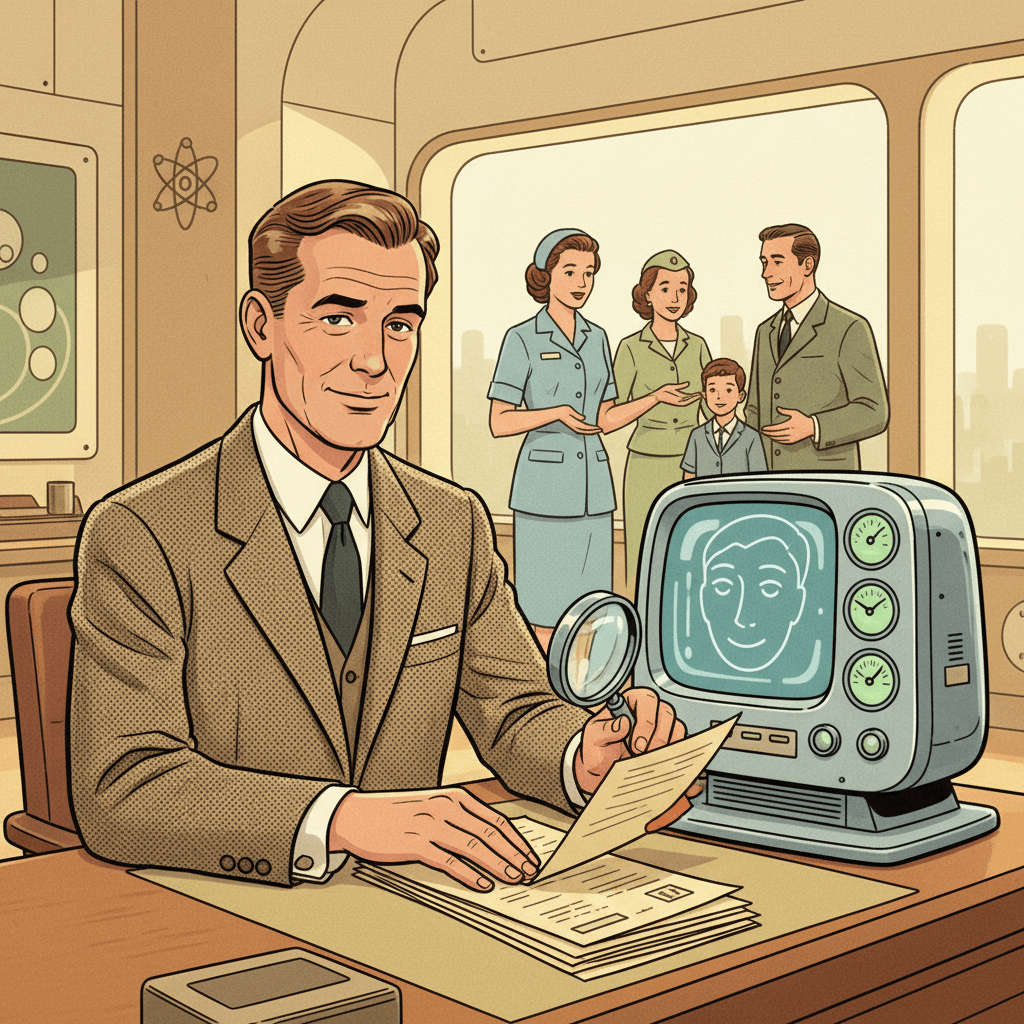
Most people have a simple shortcut for judging images: if it came from an official account, a news organisation or a familiar institution, it is probably real. That shortcut used to work more often than it does now.
AI image tools have changed the cost of creating plausible-looking scenes. A local business, public body, club, charity or school can now create polished visuals without a photographer, designer or formal approval process. Used responsibly, that can be helpful. A poster, illustration or concept image does not have to be a problem if it is clearly labelled.
The trouble starts when an AI-made image looks like documentary evidence. A picture of an event, arrest, protest, accident, product, weather incident or public figure carries a different weight from an illustration. It is not just decoration. It tells people, “this happened”.
That is why readers need to treat “official” as one useful signal, not the end of the checking process. Official accounts can be hacked. Staff can make mistakes. Agencies can post promotional material. AI-generated images can be uploaded without clear labels. A newsroom can also make a judgement call too quickly when a picture seems to have come from a source that should know.
What to check before sharing
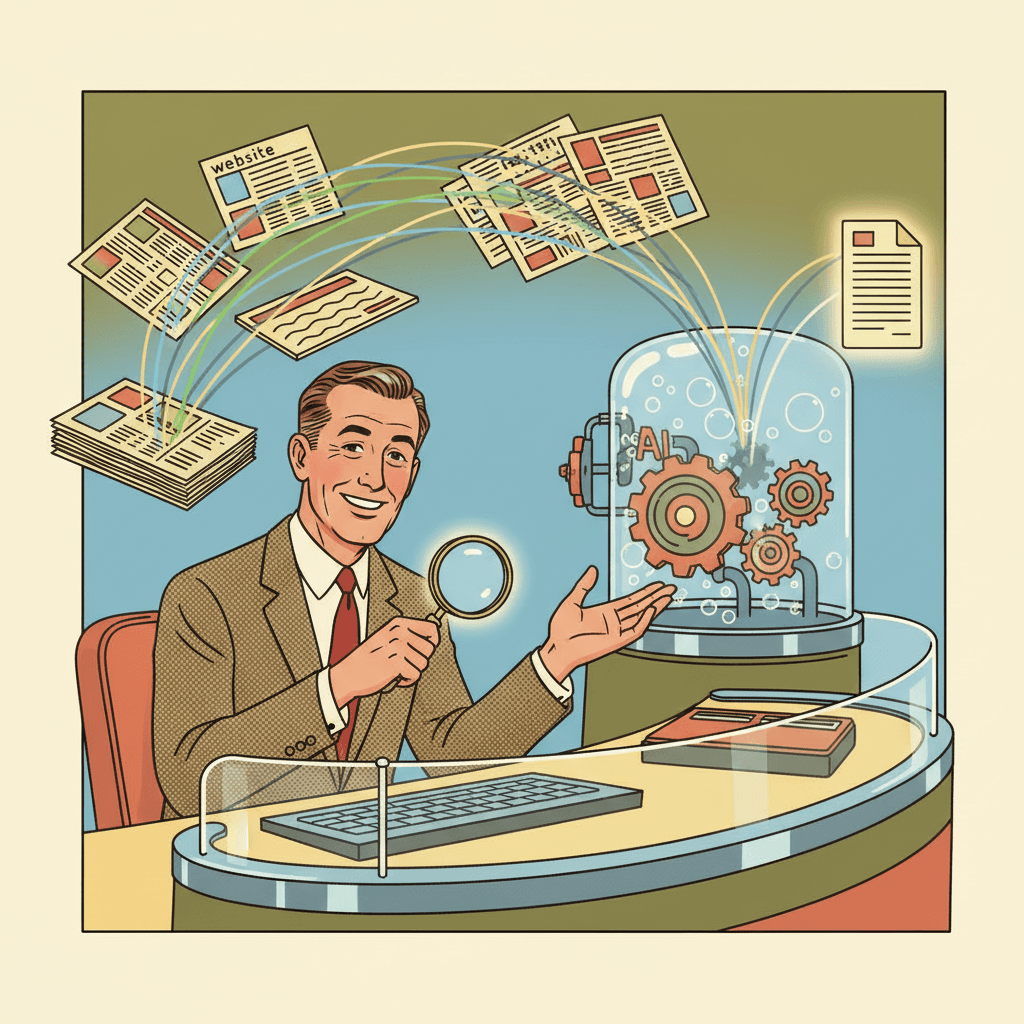
Look for the original post. If the image is being shared as a screenshot, try to find where it first appeared. Screenshots are easy to detach from dates, captions and later corrections.
Check whether the caption says “illustration” or “AI”. Labels are not always obvious. They may sit in small print, a photo credit, a comment, an edited caption or a follow-up post rather than in the image itself.
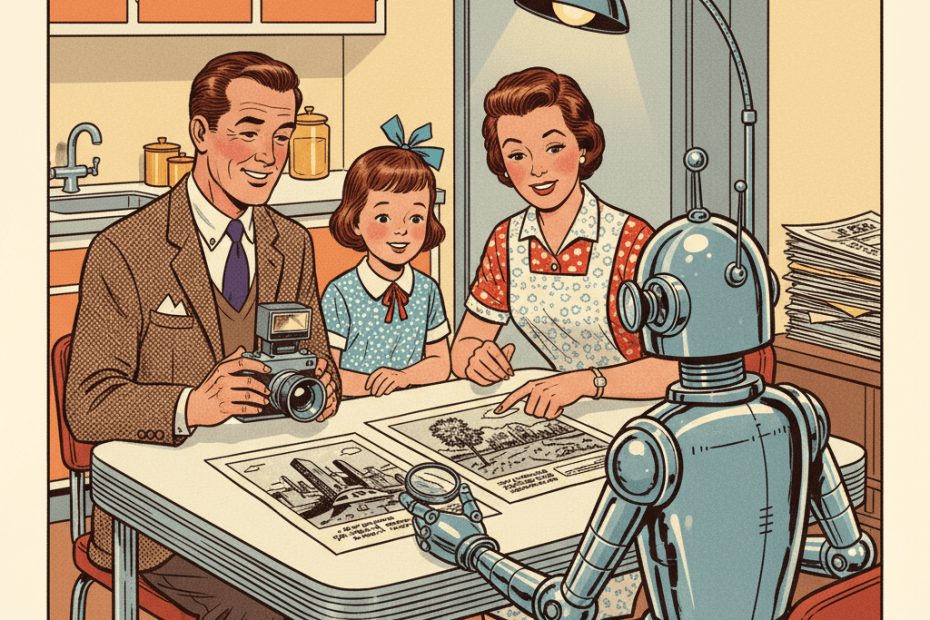
Ask whether the picture is doing too much work. If the whole story depends on a single dramatic image, slow down. Look for a second source, a video, a statement, a local report or a less sensational version of events.
Be careful with funny or outrageous images. Humour lowers our guard. If the main reason to share something is “you have to see this”, that is exactly when a quick check is worth doing.
Watch for corrections. If a post is already a day or two old, search the headline or image description with words such as “fake”, “AI” or “correction”. Many false images are debunked after they have already spread.
Do not rely only on AI detectors. Detection tools can be useful clues, but they are not proof. Some genuine images get wrongly accused of being AI, while some artificial images slip through.
The reverse problem is growing too
There is another risk here: people may start dismissing real pictures as fake simply because AI images are common. The Guardian noted that media organisations are also dealing with viewers wrongly suspecting genuine images of being AI-generated.
That matters in serious situations. Images of conflict, disasters, protests, police activity, public health, scams or poor treatment can be important evidence. If every uncomfortable picture is casually waved away as “probably AI”, real events become easier to ignore.
The answer is not cynicism. It is better checking. A sensible reader does not have to become a forensic image analyst. Most of the time, the useful habit is simpler: pause, trace the source, look for corroboration and avoid adding certainty that the evidence does not support.
This also applies to AI-made adverts and social posts. As ManyHands has noted with AI-generated shopping content on TikTok, the problem is not only whether a picture is synthetic. It is whether the viewer is being nudged to trust, buy, believe or share something on the basis of a scene that never happened.
What newsrooms and public bodies should do
Readers can only do so much. Organisations that use AI images should be clearer about it, especially when the image could be mistaken for a real event.
Public bodies should avoid AI-generated images for factual updates unless the picture is unmistakably illustrative and labelled as such. If a police force, council, school or NHS-linked organisation posts a visual that looks like evidence, people will understandably treat it as evidence.
Newsrooms have a tougher job, because speed and verification now pull against each other. But this incident shows why official social media posts still need scrutiny. A credible account can be the starting point for verification, not a substitute for it.
Platforms can help too, by making AI labels more visible and preserving context when images are shared. But readers should not wait for perfect platform design. The fastest protection is still a small pause before hitting repost.
The practical takeaway
If an image is unusually perfect, funny, shocking or shareable, treat that as a reason to check, not a reason to rush. Ask where it came from, whether it is labelled, whether another source confirms it, and whether the story would still stand without the picture.
AI fakes will not always look sinister. Some will look silly, polished or official. That is what makes them useful lessons. The goal is not to distrust every image. It is to stop giving every image instant trust just because it arrived with a confident caption.
Source: The Guardian.