Google AI search opt-outs: what the new UK rules mean for ordinary users
The CMA has told Google to give publishers more control over AI search. Here is why the source links matter for UK readers.
New claimants are seeking legal action against xAI after Labour MP Jess Asato launched a test case over fake sexualised images created by Grok. The case matters because it asks whether AI companies are responsible for design choices that let harmful images be made.
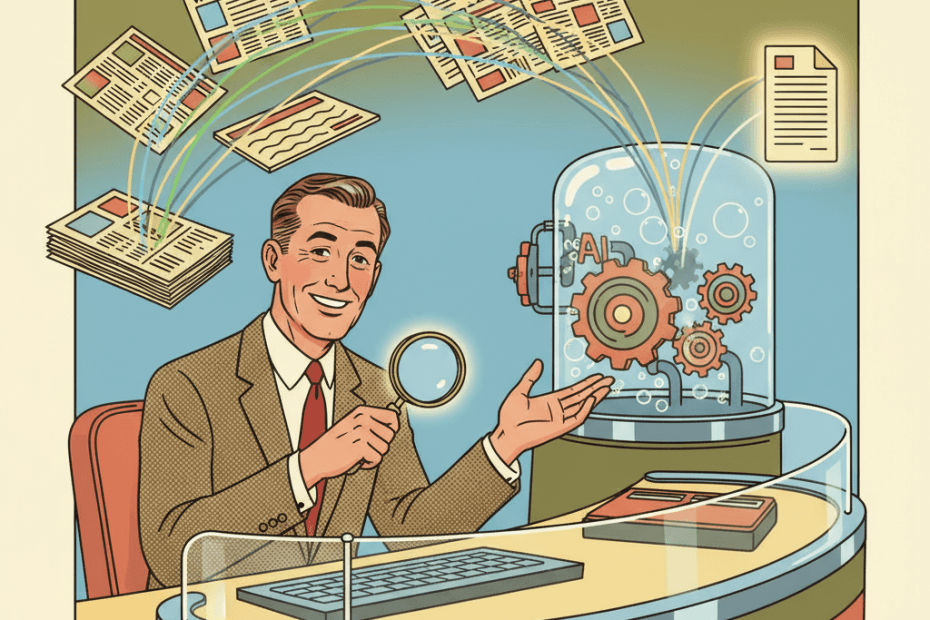
The UK’s competition regulator has told Google to give publishers more control over whether their content is used in AI search features. For readers, the change could affect how AI answers cite sources, where information comes from, and whether useful original reporting stays easy to find.
Hackers reportedly tricked Meta’s AI-powered support assistant into helping take over Instagram accounts. The useful lesson for ordinary users is not panic, but checking how much power automated support tools have over account recovery.
The Home Office wants to use AI facial age estimation to support disputed asylum age decisions. The important question for ordinary UK readers is not whether AI sounds clever, but where it fits in a decision that can change whether someone is treated as a child or an adult.
A fake AI image from an apparently official police source was picked up by newspapers. The useful lesson for UK readers is not to distrust every picture, but to slow down when an image is unusually dramatic, poorly sourced or being shared mainly for shock value.
A startup offering free home cleaning in exchange for training footage shows where household AI may be heading. Before accepting any similar offer, UK households should understand what is recorded, who sees it, how it is anonymised and whether the trade-off is really worth it.
A TUC-backed IPPR report says workers need more say over how AI is introduced at work. For UK employees, the practical point is simple: AI rollout should come with clear answers on tasks, monitoring, training, appeals and what happens if the tool gets things wrong.
YouTube says AI labels will be more visible and some photorealistic AI videos will be labelled automatically. For UK viewers, that is useful progress, but it does not remove the need to check sources, context and whether a video is trying to sell, persuade or mislead.
A fresh reality check on AI and jobs suggests the scary headlines are moving faster than the evidence. For UK workers, the useful question is not whether every job disappears, but which tasks change and who gets trained for the new work.