Google has unveiled a new live voice model called Gemini 3.1 Flash Live, and the company’s own pitch is straightforward: conversations with AI should now feel quicker, smoother and more natural. That may sound like one of those tech updates normal people can ignore. It probably is not.
For UK users, the real shift is not just that Google’s voice AI may become better at answering questions. It is that more AI systems are likely to start sounding convincingly human while doing it. Google says the model is rolling out across Gemini Live and Search Live, while developers can also build it into other tools. In plain English, that means the next helpful voice you hear in an app, on a website or even on a support line may be much harder to spot as a bot.
That is not automatically sinister. Better voice AI could be genuinely useful for hands-free searches, language support, accessibility, quick household questions, travel help and routine admin. But when a system sounds more confident and more human, people tend to relax around it. That is where the practical checks matter.
What Google has actually launched
According to Google, Gemini 3.1 Flash Live is designed for real-time conversations, with lower latency, improved understanding of tone and pace, and stronger performance when dealing with interruptions or background noise. Google also says it supports more than 90 languages for live multimodal conversations, and that Search Live is now expanding to more than 200 countries and territories.
Google also says the model can follow longer conversational threads than before, which should make spoken back-and-forth feel less brittle.
Ars Technica’s early read on the launch put the everyday concern neatly: the new model may make it harder to know whether you are talking to a robot at all. That is probably the most useful frame for ordinary readers. The issue is not whether voice AI exists. It already does. The issue is that it is getting less obviously robotic.
Why this may matter more in real life than it sounds
Most people do not spend their day inside AI demos. They notice change when it turns up in familiar places: phone support, shopping help, search, productivity tools and the apps already living on their devices. A voice assistant that responds faster, sounds warmer and copes better with interruptions is easier to use, but it is also easier to over-trust.
That can show up in small ways. You may assume a fluent answer is a reliable one, or reveal more personal detail than you meant to because the interaction feels social rather than transactional.
We have already seen related problems elsewhere in AI. Clear AI labels matter in everyday life, precisely because smooth interfaces can blur what a tool is really doing. And when a system sounds supportive or overly agreeable, it is worth remembering that a chatbot agreeing with everything you say can be a warning sign, not proof that it understands you like a person does.
The reassuring bits, and the bits that are still awkward
Google says all audio generated by Gemini 3.1 Flash Live is watermarked with SynthID, an inaudible marker intended to help identify AI-generated content later. That is better than nothing, and it matters in a world full of voice cloning worries and increasingly plausible synthetic media.
Still, watermarks solve a narrower problem than many people assume. They may help with later detection or platform checks, but they do not help much in the middle of a live call if you are simply trying to work out whether the voice on the other end is human. They also do not guarantee that a system’s answer is wise, fair or in your best interests.
That is why this should be treated as a convenience story and a caution story at the same time. Better voice AI can make digital help less annoying. It does not remove the need for judgement.
What UK users should actually check
- Listen for disclosure, not just tone. If a company or app is using AI in a conversation, it should be clear about that. A pleasant, natural voice is not the same thing as transparency.
- Do not mistake speed for expertise. Fast replies can feel impressive, especially in voice. That does not mean the answer is correct, complete or tailored to your situation.
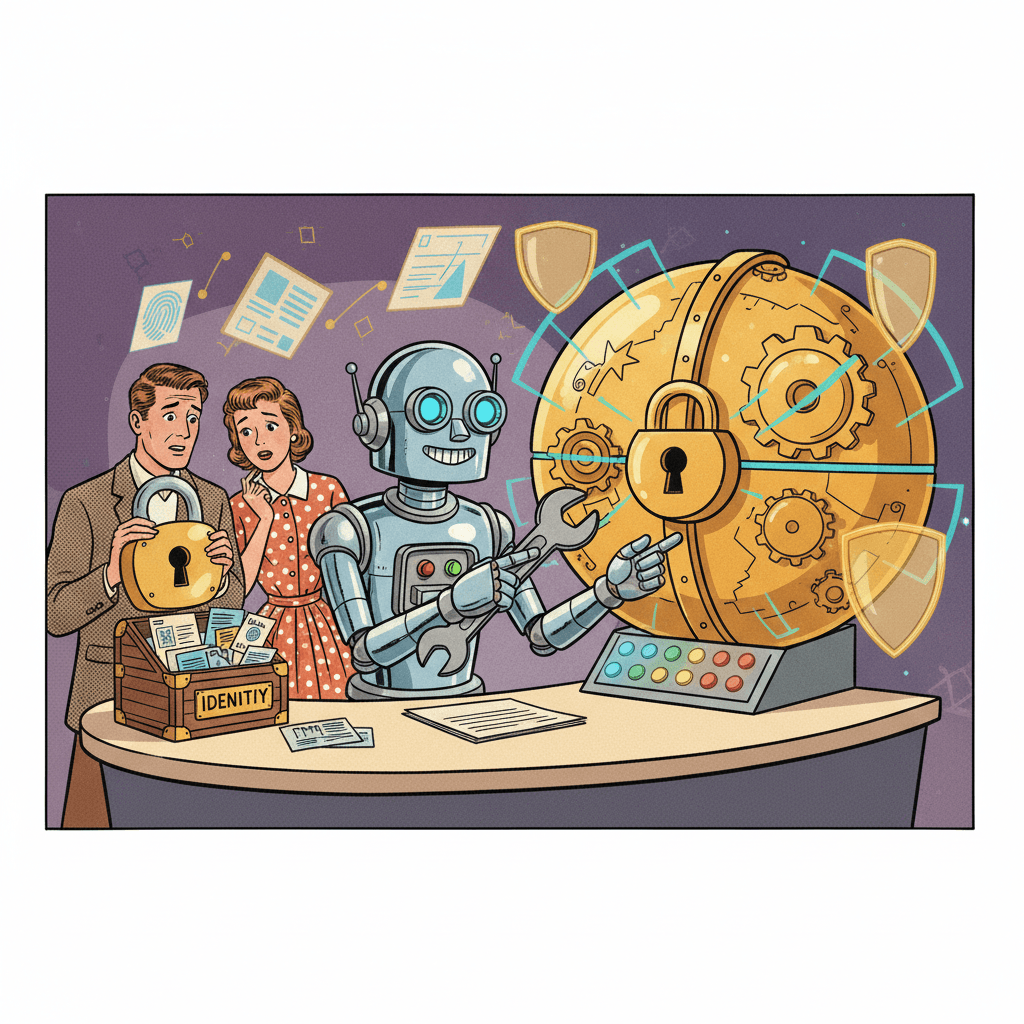
- Be careful with sensitive details. Avoid casually sharing more than is needed, especially around health, finances, identity checks or family information.
- Ask for a human when it matters. Billing disputes, complaints, safeguarding concerns, vulnerable-customer issues and anything emotionally messy are all situations where human judgement still matters.
- Treat shopping or recommendations with the usual scepticism. If a voice bot starts nudging you towards products, upgrades or bookings, remember that the same common-sense checks still apply when AI helps you shop.
A calmer way to think about it
The non-dramatic takeaway is that more natural voice AI will probably be both handy and slightly annoying, often at the same time. Some people will love being able to talk through a problem instead of typing it. Others will be less thrilled by the idea of even more human-sounding automation in customer service.
Both reactions are reasonable. The healthy middle ground is not panic, and it is not blind trust either. It is simply keeping one fact in mind: if a voice assistant sounds uncannily natural, that may be a sign of technical progress, but it is not proof of understanding, empathy or accountability.
As these systems spread, that little reminder may become one of the most useful AI habits ordinary people can keep.
Sources:
Google Blog — Gemini 3.1 Flash Live: Making audio AI more natural and reliable
Google Blog — Build real-time conversational agents with Gemini 3.1 Flash Live
Ars Technica — The debut of Gemini 3.1 Flash Live could make it harder to know if you’re talking to a robot