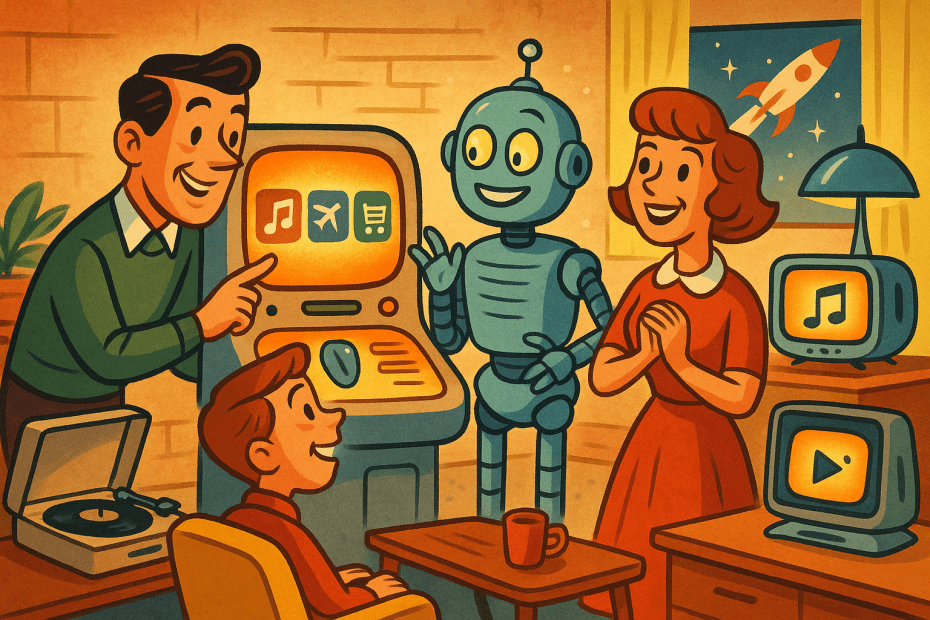
ChatGPT is steadily turning from a chatbot into something closer to a digital go-between. Instead of just answering questions, it can now connect to outside services and help you do things inside them. That might mean building a Spotify playlist, narrowing down hotel options, sketching out a Canva design or setting up part of a shopping basket.
On paper, that sounds like the sort of AI shift that could actually matter in everyday life. It is easier to see why people might use it for planning a trip, sorting a family meal, or getting through bits of fiddly online admin. But for readers in the UK, there is an important catch: this is still one of those AI updates that looks more ready in headlines than in real life.
OpenAI introduced “apps in ChatGPT” as a way for outside services to work naturally inside the chat window. TechCrunch’s latest guide shows that the list now includes names such as Spotify, Booking.com, Canva, Expedia, Figma, Coursera, Uber, Target, Zillow and more. In theory, that means ChatGPT can become a simpler front door to services people already use.
What these app integrations are supposed to do
The basic idea is straightforward. Rather than opening several apps yourself, comparing options and copying information back and forth, you ask ChatGPT in plain English and it helps pull the pieces together.
For example, Spotify can be used to create playlists based on a mood or occasion. Travel apps can help surface hotel or flight options that fit a budget. Canva and Figma can turn rough ideas into something visual more quickly. Shopping and food-delivery integrations can help you build a basket or order around a plan you have just talked through in the chat.
That is not magical. It will not replace checking details yourself. But it does point to a more useful kind of AI than the endless demos about abstract “agents”. For ordinary people, the appeal is simple: fewer tabs, less repetitive searching, and a more natural way to start a task.
That same pattern is why AI tools are turning up in work life as well. If you have already seen how AI might help with job searches and admin-heavy tasks, app integrations are the next obvious step. Instead of only drafting text, the tool starts connecting to the services where the task actually happens.
Why UK users should not assume this is all available to them yet
This is where the story gets more interesting than the marketing. OpenAI’s original launch post for apps in ChatGPT said the feature would be available to logged-in users outside the European Economic Area, Switzerland and the United Kingdom. TechCrunch’s newer guide goes further, saying the current rollout of app integrations is limited to the United States and Canada, with Europe and the UK excluded for now.
That does not necessarily mean the whole idea is going away. It usually means the rollout is uneven, some partners are region-limited, and the legal or privacy side is still being worked through market by market. But if you are in Britain and wondering why you cannot see the shiny new app someone on social media is showing off, that may be the answer.
It is a familiar pattern in AI. Features launch first where the commercial and regulatory path is simplest, then spread more slowly elsewhere. So the practical advice for UK readers is not “rush to connect everything”. It is “watch the feature, but assume the full version may not be here yet”.
There is a convenience upside — and a privacy trade-off
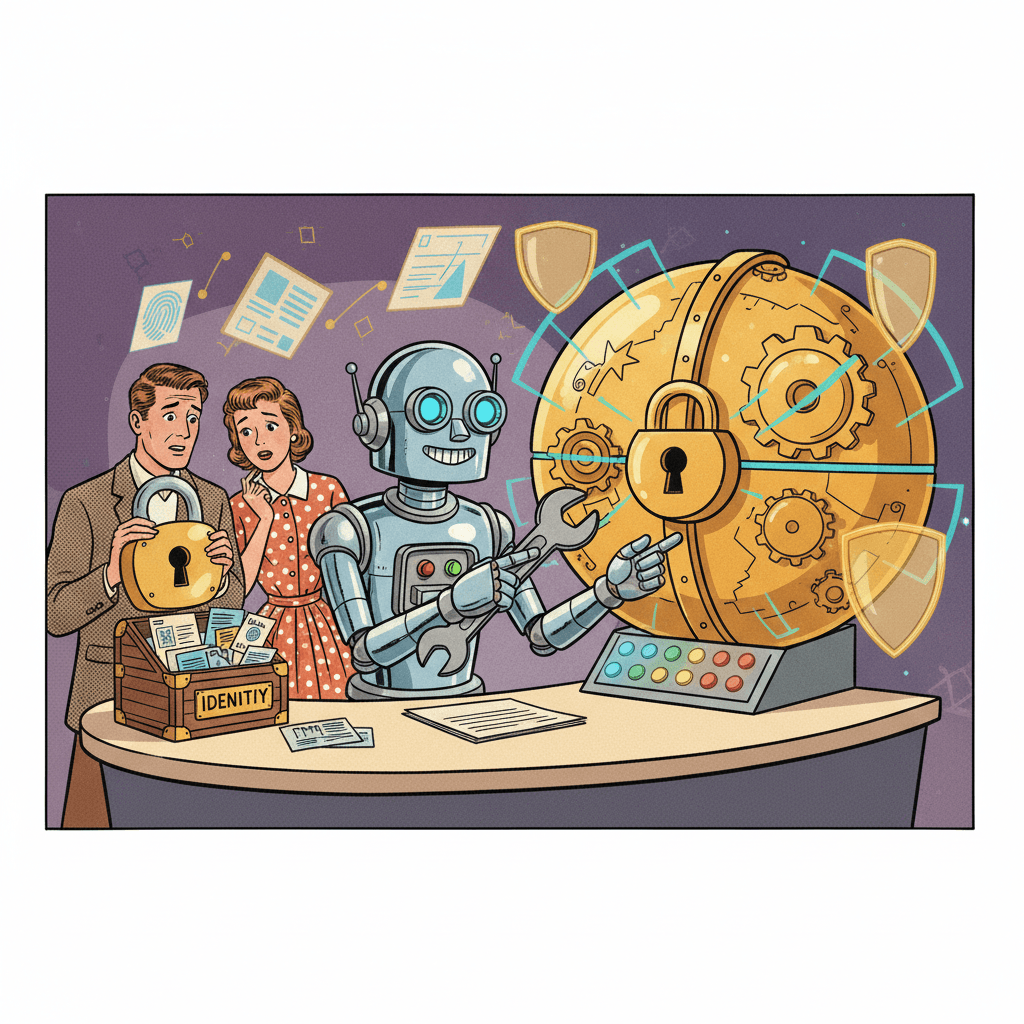
Even when these integrations do arrive more widely, they will not be a free lunch. To work properly, ChatGPT has to be allowed to see some information from the connected service. OpenAI says users are prompted to connect an app and shown what data may be shared. That is better than doing it silently, but it still deserves a pause before you click yes.
If you connect a music service, for instance, you may be sharing listening history and saved items. If you connect a travel or shopping service, you may be handing over preferences, past searches or account details that help personalise results. That can make the experience better. It can also make it more intimate than people realise.
We have already seen AI companies talking more openly about safety labels and higher-risk features in tools such as ChatGPT. That matters here too. The more AI moves from “answer this question” to “act through my accounts”, the more sensible it is to ask what it can see, what it can change and how easy it is to disconnect later.
What should UK readers do now?
Probably less than the headlines suggest. If the app integrations are not available on your account yet, there is no reason to force it. If they do appear, start small. Connect one service you do not mind experimenting with. Read the permission screen properly. Treat the first few uses as a convenience test, not a trust exercise.
The long-term trend is real enough: AI is moving closer to the apps people use for music, travel, shopping, study and work. That could make some digital chores less annoying. But in March 2026, for UK users, this is still more of an approaching change than a settled part of daily life.
In other words: useful idea, patchy reality. Worth knowing about, but not worth rearranging your weekend around just yet.
Sources:
OpenAI — Introducing apps in ChatGPT and the new Apps SDK
TechCrunch — How to use the new ChatGPT app integrations, including DoorDash, Spotify, Uber, and others