For all the noise around AI, one question still trips up plenty of normal people: what is it actually sensible to use these tools for?
That is why a new expert guide from The Guardian feels more useful than the usual grand claims about AI changing everything. Instead of treating chatbots as magic or menace, it asks a more grounded question: where can AI genuinely help, and where should you keep it firmly in the passenger seat?
For ManyHands readers, that is the sweet spot. Most people in the UK do not need an AI manifesto. They need a calm idea of when these tools can save a bit of time at work or at home, and when they are more trouble than they are worth.
What happened
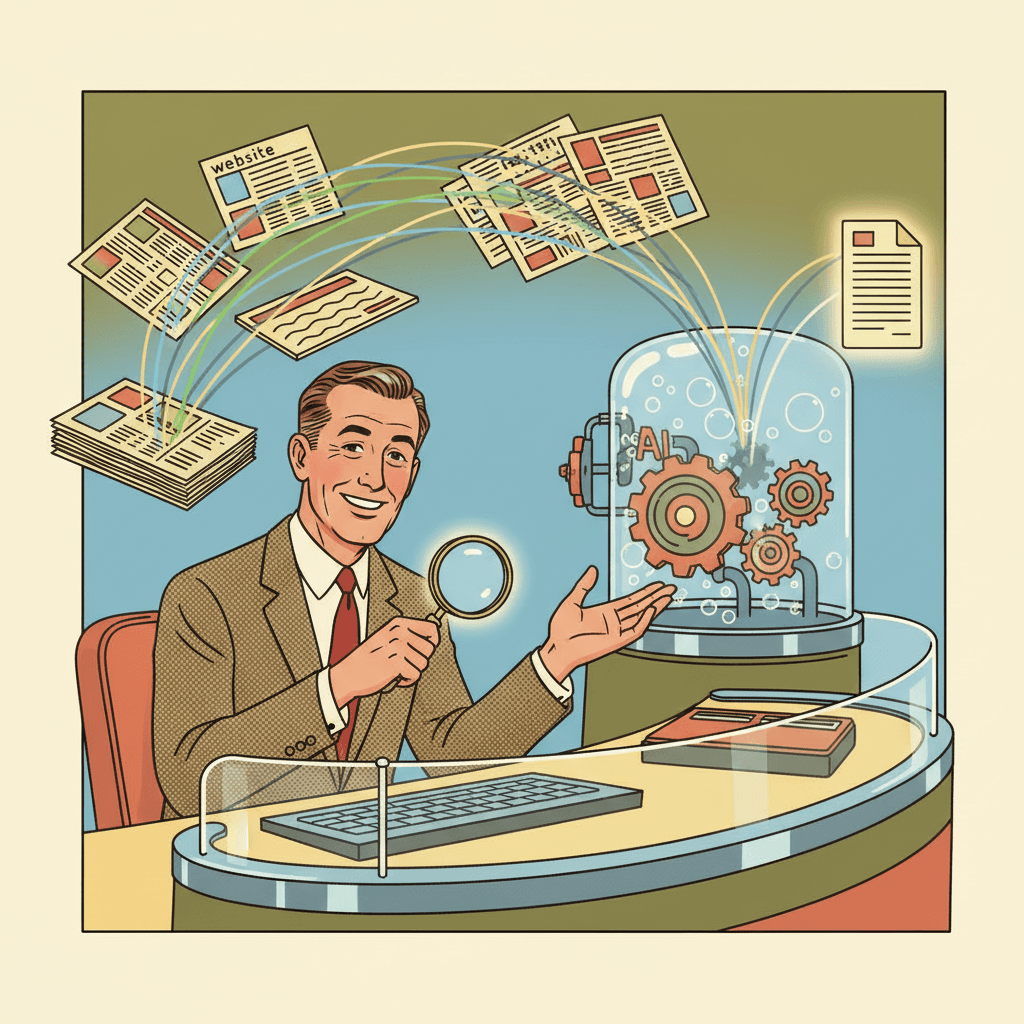
The Guardian spoke to several people who study or teach AI use, and a clear pattern emerged. The experts were not arguing that people should hand over important thinking to a chatbot. Instead, they described AI as a useful starting point for brainstorming, research, organisation and learning new things, so long as a human stays in charge.
That might sound obvious, but it matters because public discussion about AI often swings between two extremes. On one side, there is the hype that suggests a chatbot can run half your life. On the other, there is the feeling that the safest option is never to touch one at all. The advice here sits in the middle: use AI as a helper, not a replacement for your own judgement.
That middle ground is probably where most people will get the best value. If you are stuck on how to word a tricky email, break a project into steps, compare a few options, summarise a long document or get your thoughts in order, AI can be handy. If you expect it to make major decisions for you, tell you what is true without checking, or produce finished work that never needs editing, you are likely to be disappointed.
Why this matters in real life
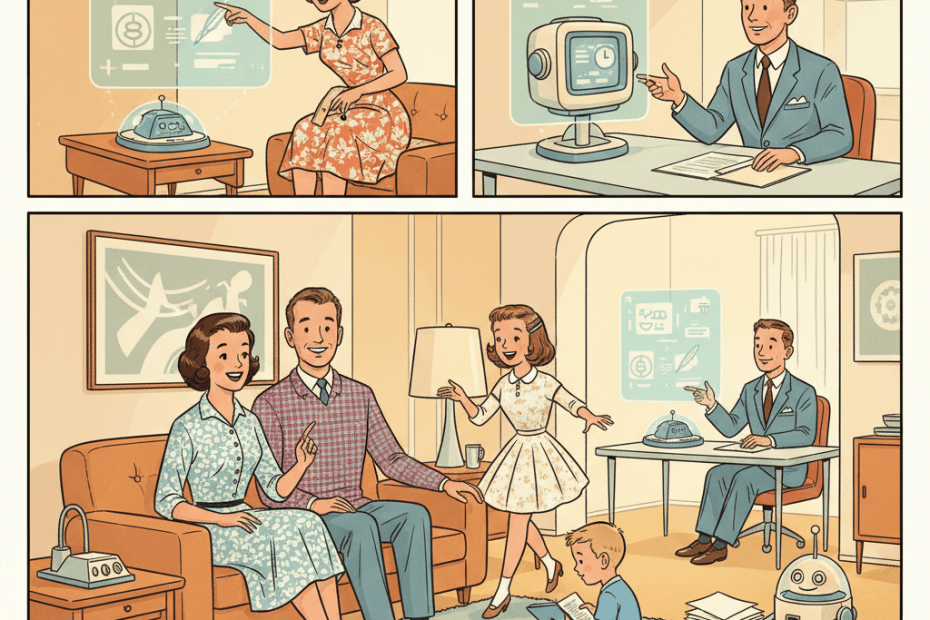
One reason this story matters is that AI has quietly shifted from a novelty into a background tool. People are no longer only using it to generate silly pictures or test strange prompts. They are asking it for help with school letters, work admin, meal planning, interview prep, travel ideas and piles of notes they do not quite know how to tackle.
Seen that way, the useful question is not whether AI is good or bad in the abstract. It is whether you are using it for the kind of job it is reasonably good at. Brainstorming is a good example. If your mind has gone blank and you need ten possible ways to start a presentation, name a side project or structure a report, a chatbot can give you momentum. It is often much better at helping you begin than at deciding what the final answer should be.
The same goes for organising information. Someone planning a family holiday might ask an AI tool to turn scattered notes into a shortlist. A small business owner might use it to group customer feedback into themes. A parent could ask it to summarise the main points from a long school policy document before reading the full thing properly. Used like that, AI is less of an oracle and more of a sorting tray.
There is also a confidence angle here. For people who feel embarrassed asking basic questions, AI can lower the barrier to getting started. That might mean asking what ISA jargon means, how to begin learning a new hobby, or what steps are usually involved in setting up a simple business process. It can help you get over the awkward first hump.
Where AI can help without taking over
The strongest use cases in the expert guide are refreshingly ordinary. Think first drafts, rough summaries, idea generation and simple structure.
At work, that could mean using AI to turn messy meeting notes into action points, suggest clearer headings for a report, or draft a polite version of an email you are too tired to write from scratch. If job hunting is on your mind, the same principle applies to CVs and interview prep, which is something we touched on in our look at how AI could make job hunting less painful for UK workers.
At home, it might be more about reducing friction. AI can help plan a weekly menu around ingredients you already have, suggest questions to ask before changing broadband deals, or turn a long ramble of thoughts into a simple to-do list. None of this is glamorous, but plenty of the best technology is useful precisely because it takes the edge off boring tasks.
There is also a good case for using AI as a questioning tool. Instead of asking it to do everything, you can ask it what questions you should be asking. That is often smarter. If you are choosing software for a small business, for example, a chatbot may be more reliable when helping you build a checklist than when telling you which product is definitely best.
The limits still matter
The expert advice also lands where it should: never trust an AI tool blindly. These systems can still invent facts, muddle dates, overstate their confidence and present weak information as if it were solid. If money, legal issues, health, safeguarding or personal privacy are involved, the need for checking goes up sharply.
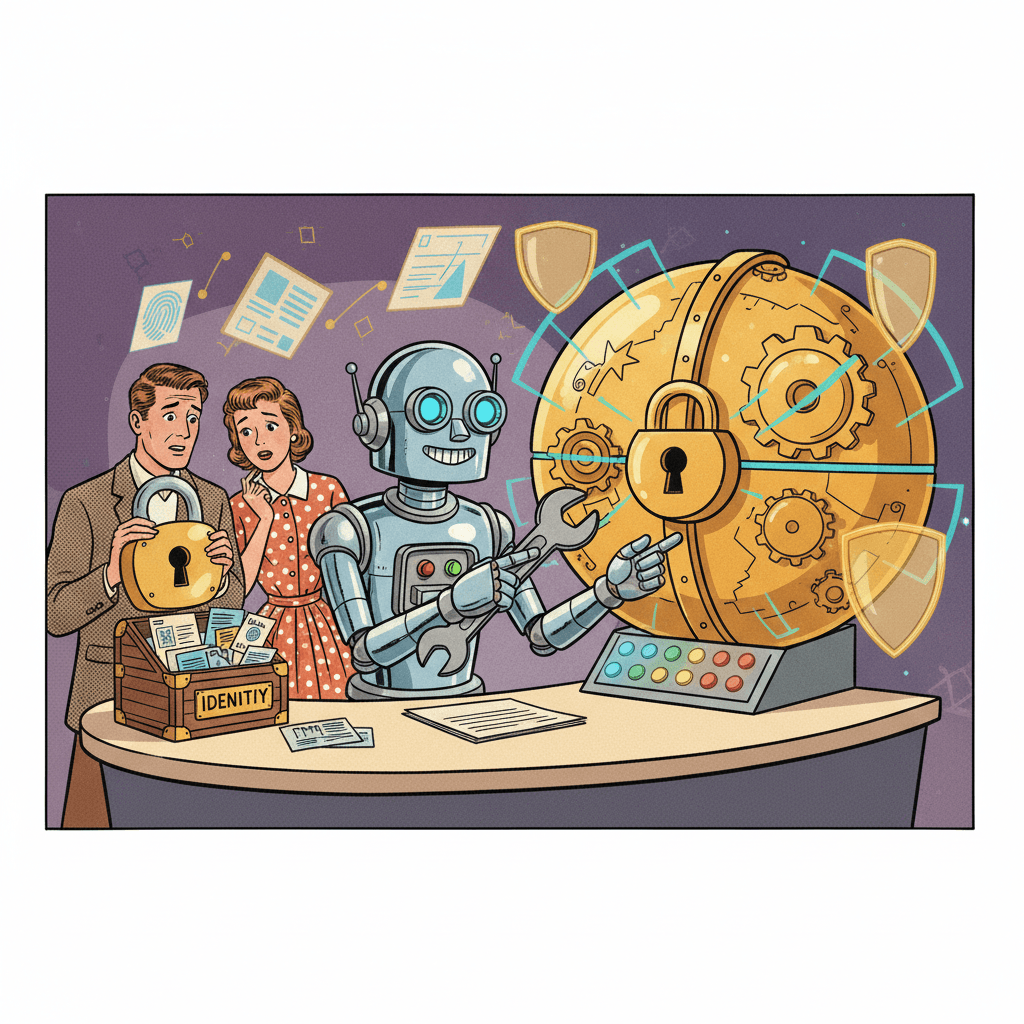
Privacy deserves special attention. The more conversational AI becomes, the easier it is to forget that you are still typing into someone else’s system. Do not casually paste in bank details, customer records, confidential work files or anything deeply personal just because the chatbot feels friendly.
This is also where clear labelling and guardrails matter. If you use tools such as ChatGPT regularly, it is worth remembering what we said in our earlier piece on ChatGPT’s new safety labels: the real skill is knowing what sort of task the tool is fit for, not assuming every polished answer is dependable.
So what should UK readers do with this?
If you are AI-curious but wary, the expert advice is actually quite reassuring. You do not need a perfect prompt, a paid subscription or a grand strategy. Start with small, low-stakes tasks where you can easily judge the output for yourself. Use it to unblock your thinking, tidy information, or help you get started on something annoying.
Then stop short of handing it the steering wheel. Check facts. Remove sensitive details. Treat the answer as a draft, not a verdict.
That may not sound revolutionary, but it is probably the healthiest way to build an actual working relationship with AI. Not as a genius machine. Not as a menace in a box. Just as a tool that can occasionally make life a bit easier, provided you stay the one making the decisions.
Sources: The Guardian, “We asked experts about the most responsible ways to use AI tools – here’s what they said”, published 18 March 2026.