The argument about AI and work often gets squeezed into one dramatic question: will the robots take our jobs? That matters, but it is not the only thing UK workers should be watching.
A new Guardian article makes a more immediate point. For some people, AI is becoming a useful assistant that helps with drafting, research, admin or analysis. For others, it is becoming something very different: a system that monitors, scores, schedules and nudges them through the working day.
That distinction is important because “AI at work” can mean two opposite experiences. One worker may get a tool that saves them an hour of paperwork. Another may get a dashboard that decides how fast they should move, which shift they receive, or whether their performance looks good enough.
The new workplace divide
The most useful way to think about workplace AI is not simply “good” or “bad”. It is “who is using it, and who is being used by it?”
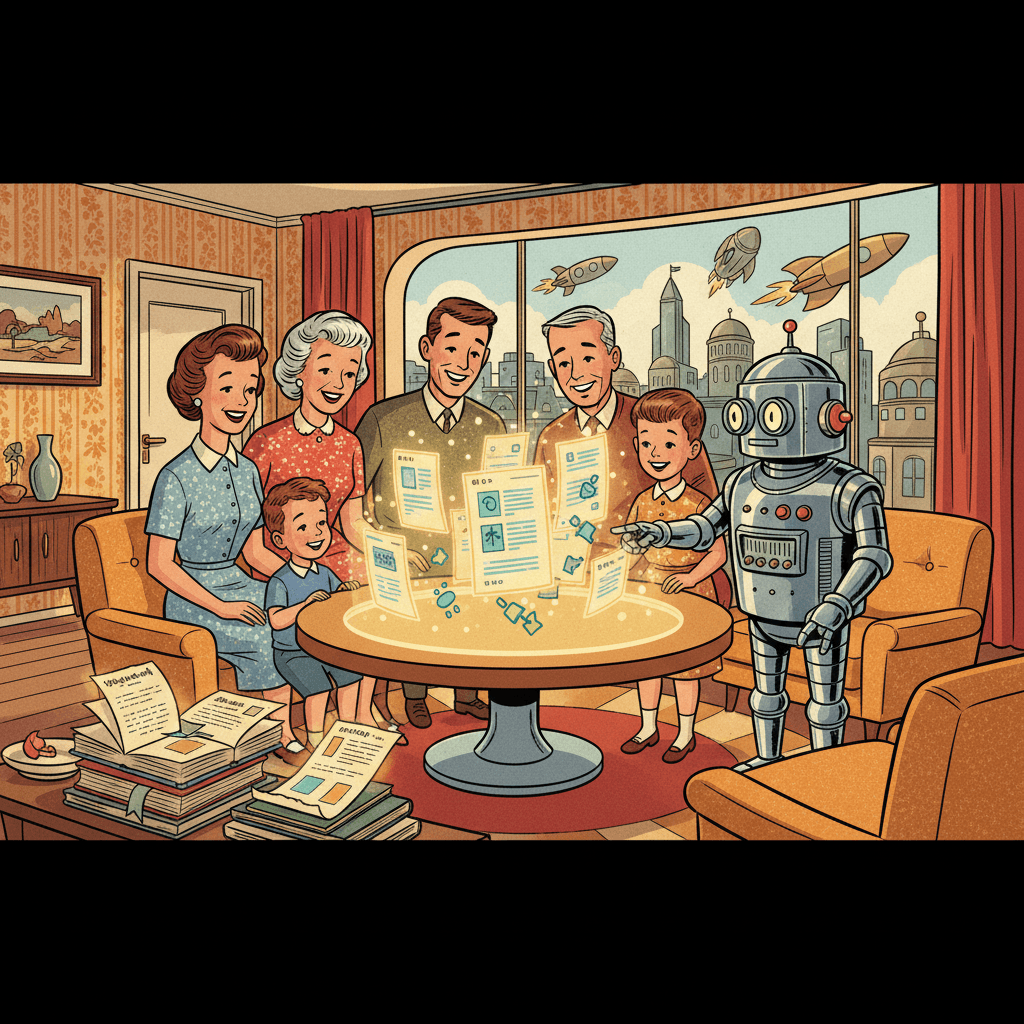
In higher-autonomy jobs, AI can feel like a helpful extra pair of hands. It can summarise meeting notes, draft emails, compare documents or turn a rough idea into a first version. ManyHands has written before about habits that make AI more useful at work, and those benefits are real when people stay in control.
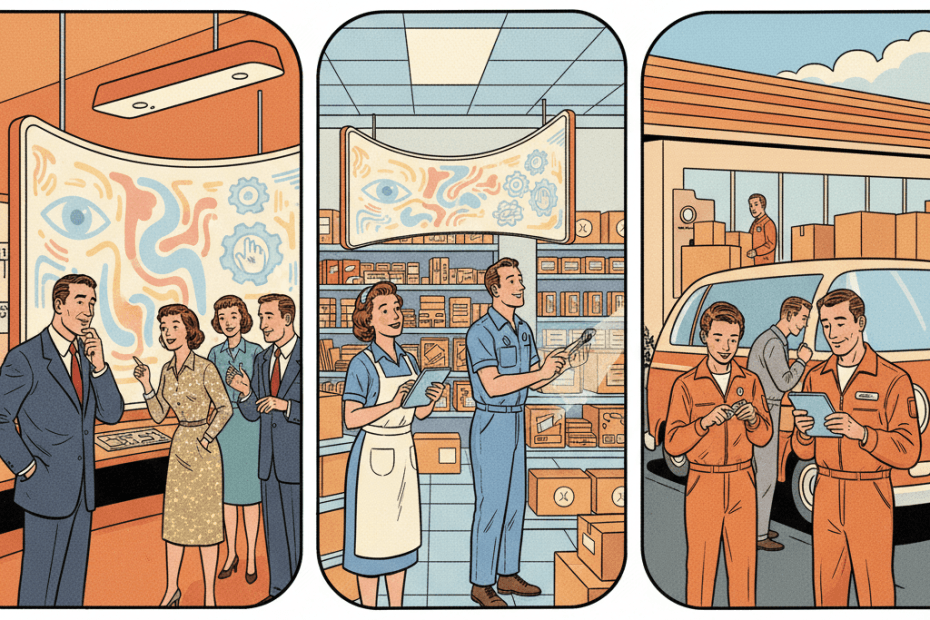
But in more tightly managed roles, AI may arrive as monitoring rather than support. That can include software that tracks activity, predicts staffing needs, allocates routes, scores calls, times tasks or flags workers who appear to be underperforming. The person affected may not be able to see exactly how the system works, challenge it easily, or tell whether a decision was made by a manager, a model, or both.
That is where the practical risk sits. A tool that helps you do your job is one thing. A tool that quietly changes the rules of your job is another.
Why this matters in the UK
The UK government is encouraging wider AI training, including free AI skills courses for adults. That is sensible: people should understand the tools that are entering their workplaces. But basic prompt-writing skills are only part of the picture.
Workers also need to understand how AI is being used around them. Is it there to reduce repetitive admin, or to raise targets? Is it helping a manager make fairer decisions, or giving a false sense of objectivity to decisions that still need human judgement? Is data being used to improve work, or mainly to intensify it?
Those questions are not just for warehouse, retail, logistics or gig-economy jobs. Monitoring tools can spread quickly into offices too. Keystroke data, productivity dashboards, meeting analytics and AI-assisted performance reviews can all sound neutral until they affect pay, promotion, workload or trust.
What workers should ask
If your employer introduces an AI tool, start with plain questions. What problem is the tool meant to solve? What data does it collect? Who can see that data? How long is it kept? Is it used for individual performance management, or only for broader planning?
Ask whether the system makes decisions automatically or only gives recommendations to a person. If a recommendation affects your shift, target, rating, rota, pay or disciplinary process, there should be a clear route to question it. “The system says so” is not a good enough explanation for an important decision.
It is also worth asking whether the tool has been tested for mistakes. AI systems can be wrong, and workplace data can be messy. A short break, a difficult customer, a faulty device, a disability adjustment or an unusual task can look like poor performance if the system does not understand the context.
What managers should remember
For managers, the lesson is not to avoid AI entirely. It is to avoid hiding behind it. If a workplace AI tool changes how people are measured, scheduled or supervised, staff should know what is happening and why.
The best uses are usually the ones that remove friction without removing dignity. That might mean cutting repetitive admin, improving training, spotting overloaded teams, or helping people find information faster. It should not mean making every pause, click or movement feel suspicious.
Good workplace AI also needs human oversight. If a manager cannot explain how a tool is being used, what data it relies on, and how workers can challenge errors, the organisation is probably not ready to depend on it.
Do not treat “AI-powered” as neutral
One of the traps with AI is that it can make workplace decisions look more scientific than they really are. A dashboard, score or automated alert may feel objective, but it is still shaped by human choices: what to measure, what to ignore, what counts as success, and who gets the benefit of the doubt.
That is why workers should be cautious about systems that promise fairness without explaining the process. If AI is being used in a sensitive area, transparency matters. So does the right to have a real person look again when something seems wrong.
This links to a wider pattern we have covered before: when companies say AI is changing jobs, workers need to ask what is actually changing. Our guide on what to ask when a company blames AI for job cuts applies here too. The useful response is not panic, but careful questions.
The practical takeaway
AI at work can be genuinely helpful. It can take the edge off boring tasks, make information easier to find, and give people better tools. But it can also make workplaces feel more watched, rushed and opaque.
For UK workers, the key check is simple: are you being given AI to help you, or is AI being used to manage you? If the answer is not clear, ask about data, decisions, oversight and appeals before the system becomes part of everyday work.
The future of AI at work should not only be about productivity. It should also be about trust, fairness and whether people still have enough control over the job they are being asked to do.