Looking for a job can feel like a part-time job in itself. There is the searching, the filtering, the rewriting of CVs, the cover letters, the interview prep, the company research and the nagging feeling that you might be missing something obvious. That is one reason AI is starting to show up more often in job platforms and hiring tools.
Indeed says it is now using AI across more than a hundred features for both job seekers and employers, including personalised job recommendations, salary insights and newer tools designed to act more like career or hiring assistants. For ManyHands readers, the interesting bit is not the corporate case study language. It is what this tells us about where job searching is heading for ordinary people.
The short version is that AI looks set to become more common in how vacancies are matched, how applications are surfaced and how people get guidance on the next step in their careers. That could make job hunting quicker and less overwhelming. But it also means people will need to get a little more confident about using AI sensibly, without letting it speak for them completely.
What Indeed says AI is doing
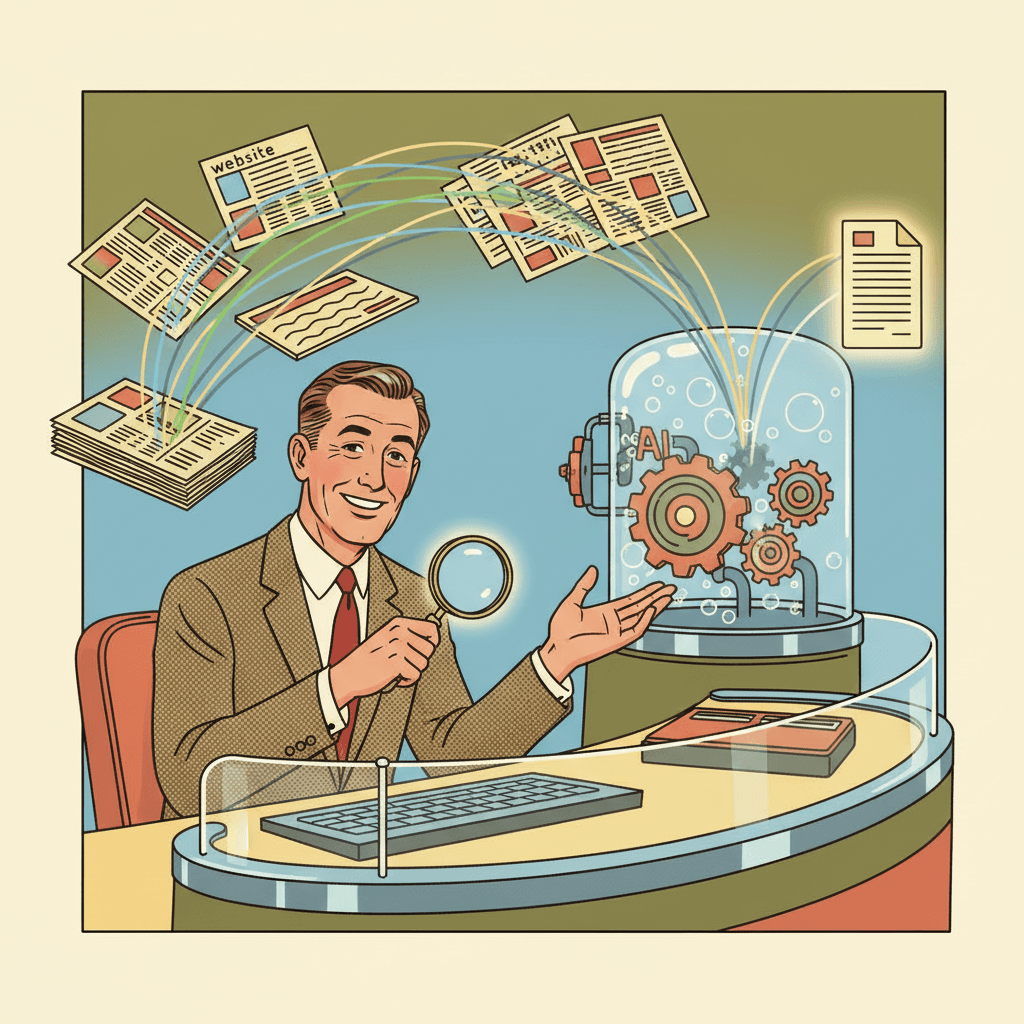
In OpenAI’s interview with Indeed chief revenue officer Maggie Hulce, the company says AI now powers a large range of features across both job search and recruitment. On the job seeker side, that includes personalised recommendations, salary insights and an AI tool called Career Scout, described as a kind of personal career coach. On the employer side, it includes screening, sourcing and tools meant to speed up repetitive hiring tasks.
Indeed says these systems are helping people find suitable jobs faster and helping employers move more quickly when hiring. One of the claims from early testing is that job seekers using Career Scout found jobs they felt excited about seven times faster and were more likely to be hired. As with any company case study, those numbers deserve a little healthy caution. But the overall direction of travel is believable enough: AI is increasingly being used to narrow down options, highlight relevant roles and reduce admin.
Why this matters in real life
For a lot of people, the hardest part of job hunting is not the interview. It is figuring out where to focus. There may be hundreds of listings, unclear job titles, vague salary ranges and plenty of roles that sound close to right but not quite. AI tools are often at their most useful when they reduce that clutter.
In practical terms, that could mean a platform getting better at recommending jobs that match your skills, location, salary expectations or working preferences. It could mean better prompts to help you compare two roles, identify skill gaps, or understand what to change before your next application. For people returning to work, changing sector or applying with less confidence, that kind of guidance could be genuinely helpful.
It may also be useful for employers, especially smaller ones without big HR teams. If AI can cut down the admin around screening, scheduling and first-pass matching, that may help businesses hire more quickly and spend more time on the human part of the process.
What AI can help with — and what it cannot
The good news is that AI can genuinely help with parts of the process that are repetitive or hard to start. It can help you rewrite a CV for clarity, practise interview questions, summarise a job description, turn a rough work history into stronger bullet points or suggest transferable skills you may have overlooked.
It can also help you prepare more confidently. If you are unsure how to explain a career break, move into a new industry or describe your experience in plainer language, an AI tool can often help you get to a better first draft faster.
What it should not do is replace your judgement. A job application written entirely by AI can end up sounding flat, generic or slightly unreal. Recruiters are already getting used to overly polished applications that do not feel like a real person. The best use of AI is usually to help you think, edit and organise — not to become your entire voice.
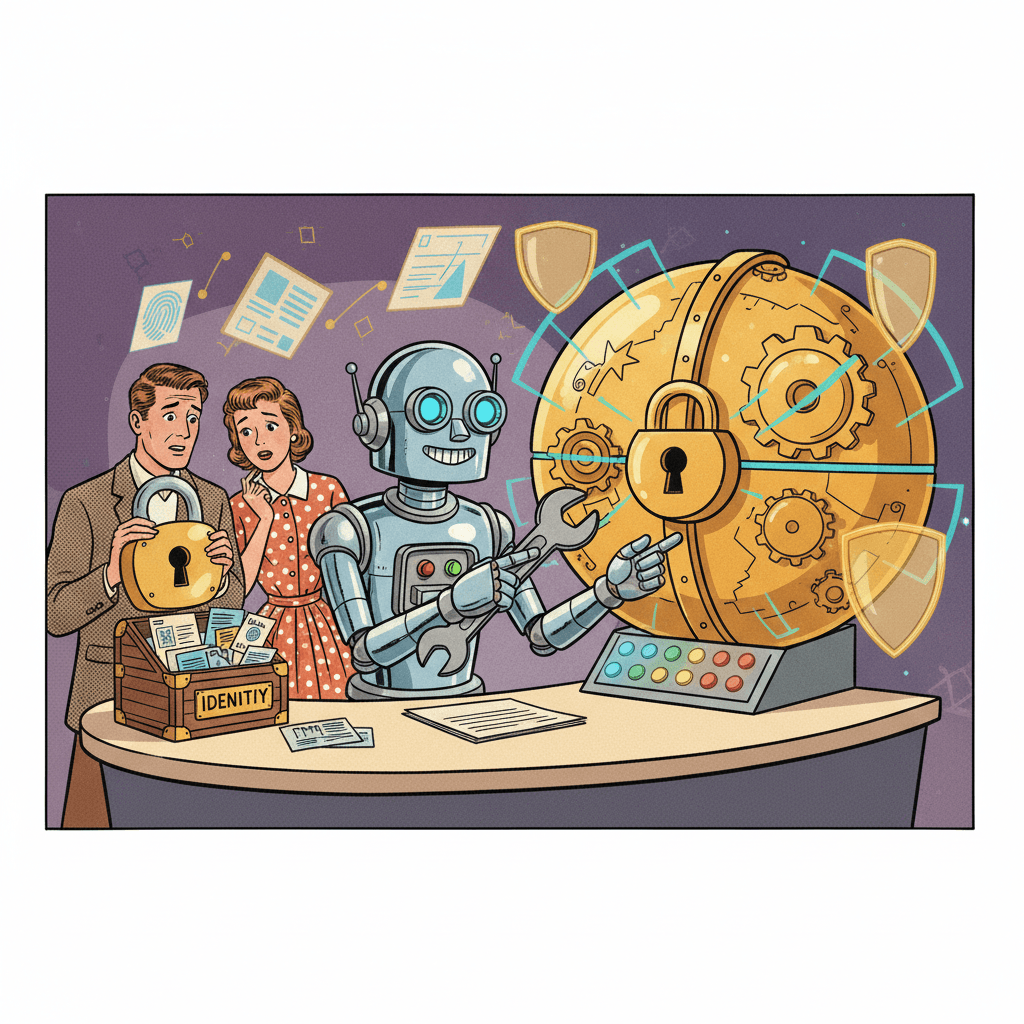
There is also the privacy side. If you are uploading CVs, talking about health issues, sharing salary details or connecting other tools, it is worth slowing down and checking what data you are handing over and how it might be used. We touched on this in our earlier piece on ChatGPT’s new safety labels and why AI permissions matter, and the same principle applies here: useful tools are better when you stay aware of what they can access.
What UK job seekers should do now
If you are job hunting, this is probably a good moment to get comfortable with AI as a helper rather than an all-knowing expert. Use it to save time, reduce blank-page panic and improve your preparation. Ask it to help you understand a role, identify missing keywords, compare similar vacancies or brainstorm interview examples from your own experience.
But keep the final say. Check facts, reread wording and make sure your applications still sound like you. If a suggestion feels exaggerated, too American, too formal or simply not true, change it. For UK readers in particular, that small bit of editing matters. The best application is not the most “AI” one. It is the one that is clear, honest and tailored.
For employers, especially small businesses, the lesson is similar. AI may help speed up parts of hiring, but fairness, judgement and final decisions still need humans in the loop. That is not old-fashioned. It is sensible.
The bigger shift
What Indeed’s update really shows is that AI is quietly moving from novelty to infrastructure. It is becoming part of the background machinery of everyday systems people already use, including job boards and recruitment tools. That does not mean the future of work has arrived overnight. It does mean more people will bump into AI during ordinary life without deliberately going looking for it.
For ManyHands readers, that is the real story. AI is not only about flashy chatbots or science-fiction promises. Sometimes it is simply about making a stressful, messy task a little easier. If that happens without taking away control, it could be one of the more genuinely useful uses of AI most people see this year.