There is a noticeable shift in the way companies talk about layoffs. A couple of years ago the usual phrases were “restructuring”, “efficiency” and “post-pandemic correction”. Now, more bosses are reaching for a different explanation: AI.
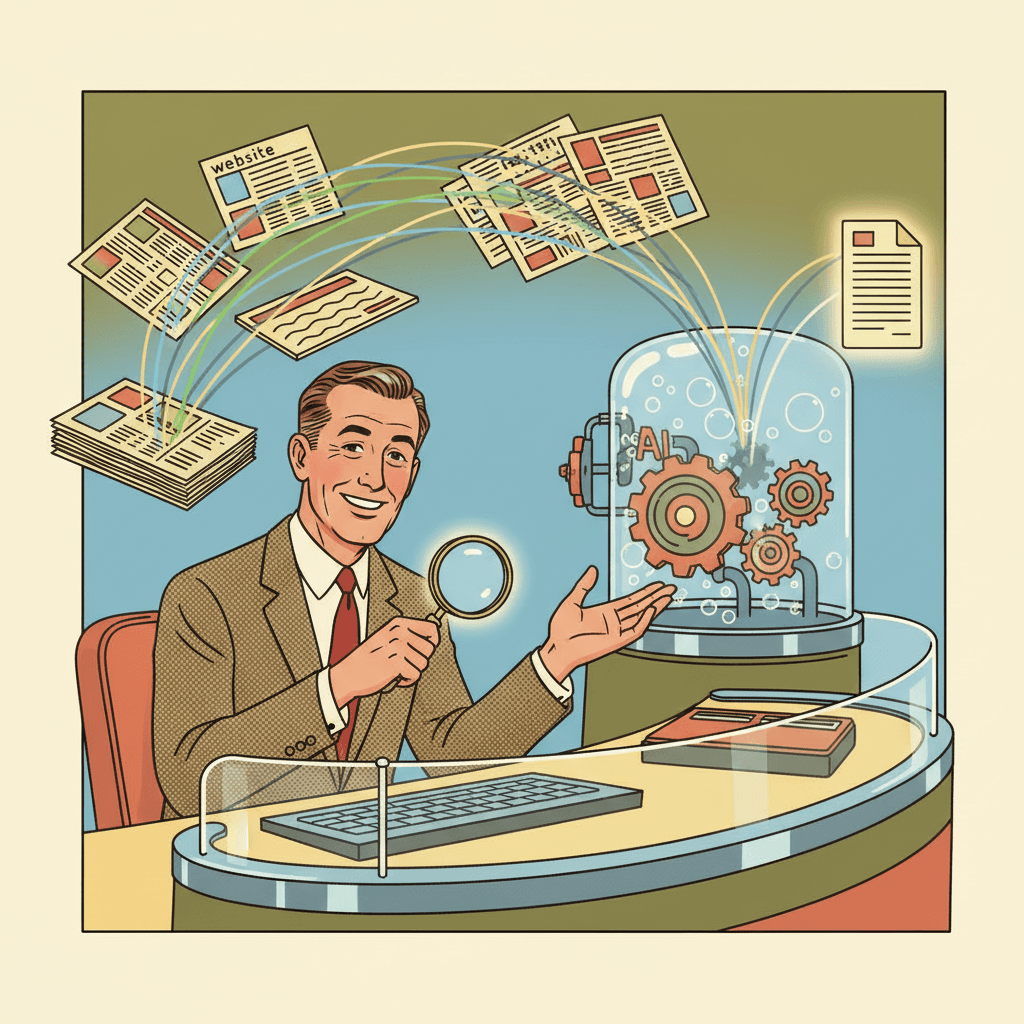
A fresh BBC report says major tech firms including Amazon, Google and Meta are increasingly linking job cuts to artificial intelligence, either because AI tools are improving productivity or because companies want to free up money for huge AI investment plans. That does not automatically mean a chatbot has taken a specific person’s job. It often means the business wants to change how work is organised, where money gets spent, and which teams still look essential.
For ordinary UK workers, that distinction matters. “AI is changing everything” can sound sweeping and inevitable, which makes it harder to know what to ask or what rights still apply. But the practical questions are still the boring, important ones: is your role actually disappearing, are you being consulted properly, and has your employer thought about training or alternative work first?
What this story is really saying
The BBC’s piece is less about robots marching into offices and more about a changing corporate script. Executives are telling investors that AI lets smaller teams do more. At the same time, many of those same firms are spending eye-watering sums on AI infrastructure, chips, data centres and new tools. In plain English, some businesses now see AI not only as a productivity tool but also as a reason to reshape payroll.
That can affect more than software engineers. If companies believe AI can handle part of the drafting, research, admin, customer support or analysis that used to fill a full-time role, then jobs in marketing, operations, support, back office teams and middle management can all come under pressure. Even if a role is not removed entirely, it may be narrowed, merged or quietly redesigned.
That does not mean every mention of AI is fake. Some tools really are speeding up coding, drafting and routine admin. But it also does not mean workers should hear “AI” and treat the rest as settled fact. Sometimes it is a real operational change. Sometimes it is a smoother-looking way to describe cost cutting.
What UK workers should ask if their employer starts talking like this
If your workplace starts saying AI is behind staffing changes, try to pin the conversation down to specifics.
- Ask what is actually changing. Is the company removing a whole role, reducing headcount in one team, or expecting the same people to do more with new tools?
- Ask which tasks are being automated. AI often replaces parts of a job rather than the whole thing. That can open up a stronger case for retraining or redesign instead of redundancy.
- Ask whether other roles are available. If the business is investing heavily in AI, there may be new jobs in operations, training, oversight or customer support rather than a simple vanishing act.
- Ask what training is being offered. A company should not present AI as a force of nature if it has made little effort to help staff adapt.
- Keep notes. If explanations shift from “your role is gone” to “your performance is not good enough” to “AI made this necessary”, it helps to have a written timeline.
What your rights do not stop being
This is the bit worth remembering: AI language does not cancel normal employment basics.
According to GOV.UK guidance on redundancy rights, if you are being made redundant you may be entitled to things such as a notice period, consultation, redundancy pay, the option to move into a different job, and time off to look for new work. The same guidance also says you must be selected fairly and not for discriminatory reasons.
Acas makes another important point: employers should consider other options to reduce or avoid redundancies and they must consult workers. That matters because “AI is changing our business” is not, by itself, a full process. It is a claim about the context. The company still has to handle people properly.
So if an employer talks as if AI makes job cuts automatic, it is reasonable to ask whether this is a formal redundancy process, what alternatives were considered, how selection is being handled, and what support is available. Those are not awkward questions. They are the normal questions.
Do not let the AI label do all the thinking
One risk here is psychological. AI still carries a lot of mystique, so people can hear it as a final answer rather than a business decision made by humans. That is handy for executives because it makes the move sound modern and unavoidable. But companies choose budgets, staffing levels and rollout speed. AI does not walk into the boardroom by itself.
If you do end up needing to move on, it is worth being practical rather than fatalistic. We have already looked at how AI can make job hunting a bit less painful, and at the kinds of everyday work habits that make AI more useful rather than just more noisy. Those are still helpful angles. But they should sit alongside fair process, not replace it.
The calm takeaway
More companies will probably keep using AI as the headline explanation for job cuts this year. Some of that will reflect real changes in how work gets done. Some of it will be investor messaging dressed up as inevitability.
For UK readers, the sensible response is not panic and it is not blind trust. If your employer starts talking about AI and headcount in the same breath, ask what has actually changed, whether other options were considered, and what process is being followed. The technology may be new. The need for clarity, fairness and decent treatment is not.
Sources:
BBC News — Why tech CEOs suddenly love blaming AI for mass layoffs
GOV.UK — Redundancy: your rights
Acas — Redundancy