Wikipedia tightening its rules on AI-written article text may sound niche. It is not. If one of the internet’s biggest volunteer knowledge projects thinks chatbots are still too risky to write or rewrite article content directly, that is worth noticing whether you use AI for homework, work notes, shopping research or everyday life admin.
The updated Wikipedia guidance now says large language models such as ChatGPT, Gemini, Claude and similar tools must not be used to generate or rewrite article content. Two limited exceptions remain: editors can use them for basic copyedits to their own writing after human review, and they can use them in carefully controlled translation workflows. The reasoning is blunt. Wikipedia says AI-generated text often falls foul of its core rules around neutrality, verifiability and original research.
What changed, in plain English
The practical shift is simple: Wikipedia is drawing a firmer line between using AI around the edges and letting AI write the thing. That is a sensible distinction. Plenty of people already use chatbots to brainstorm, tidy wording, translate rough notes or point them towards sources. The trouble starts when the smooth, finished paragraph becomes the bit you trust most.
Wikipedia’s separate guidance on using large language models responsibly makes the concern even clearer. It says editors still need to read the sources themselves and write the content themselves, because AI systems can synthesise, distort or hallucinate material even when they appear to be citing references. In other words, the danger is not only wild nonsense. It is subtle drift: a sentence that sounds reasonable, is nicely phrased, and is still a bit wrong.
That should feel familiar to anyone who has used a chatbot for a topic they do not already understand. AI is often very good at sounding settled. It can turn uncertainty into tidy prose, flatten disagreements between sources, or quietly add a leap of logic that was not in the original material. That is exactly the sort of behaviour an encyclopedia cannot really tolerate.
Why ordinary UK readers should care
You do not need to be editing Wikipedia for this to matter. The same risk shows up whenever people use chatbots as a shortcut to understanding something important. Maybe you are checking train-delay compensation, researching a broadband complaint, comparing a new phone, sketching a work briefing or helping a teenager revise. In all of those cases, the polished answer can feel reassuring before it has actually earned your trust.
That is also why better warnings and safety labels on AI answers matter so much. A fluent answer is not the same as a checked answer. And it is why people should be especially cautious when AI is used as a shopping guide, because recommendations can sound decisive even when the source material underneath is thin or messy, as we have already seen with AI shopping tools that promise to help buyers compare products.
Where AI can still help without becoming the authority
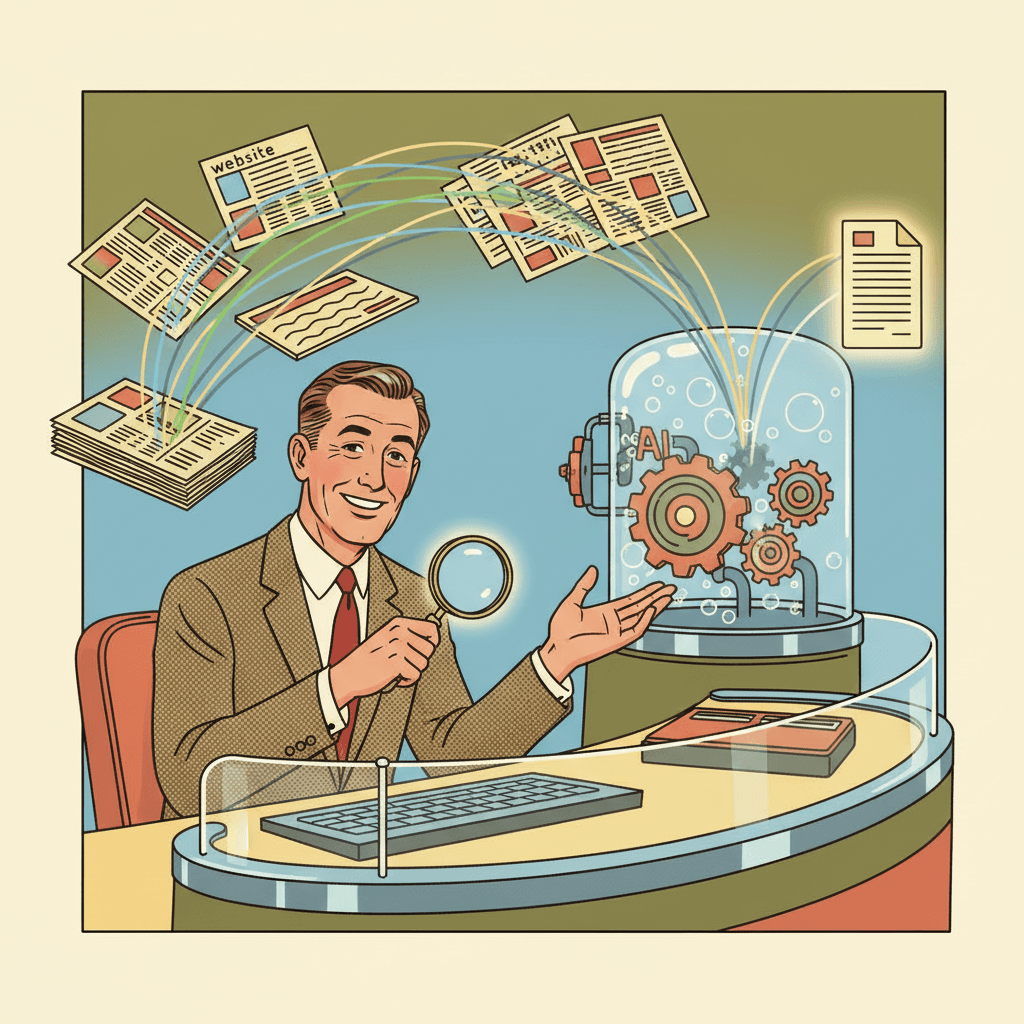
The useful version of AI is often one step earlier than people think. It can help you turn a fuzzy question into a better search. It can help you spot which terms to look up on GOV.UK, which product features to compare, or which follow-up questions to ask before you spend money. At work, it can help you organise your own notes or suggest a clearer structure for a document you have already checked.
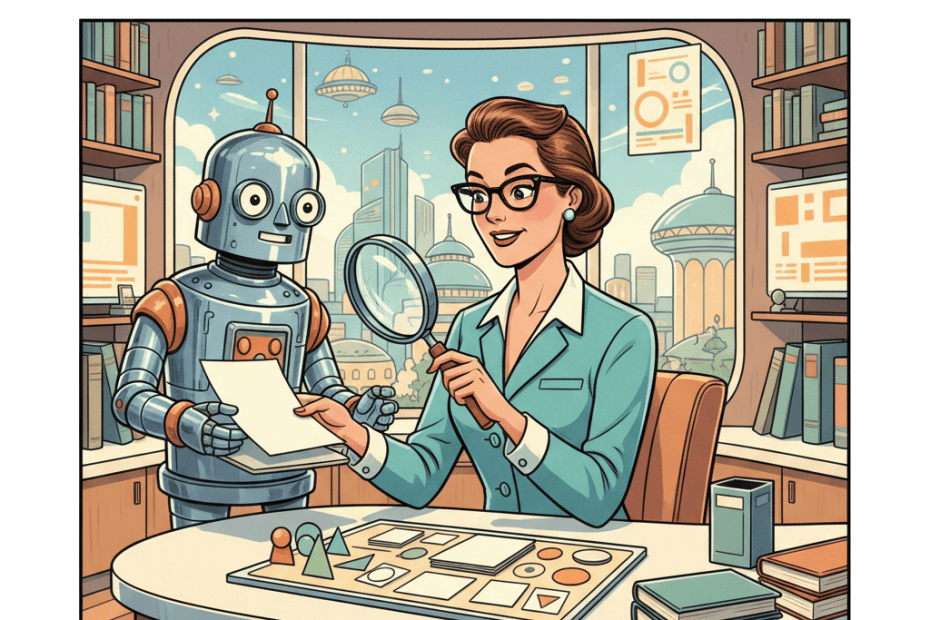
What it should not do is quietly replace the source-reading part of the job. If a chatbot gives you a neat answer about refunds, mortgages, school policy, tax, symptoms, tenancy rights or consumer tech, the safest next step is usually to open the original source and see whether it really says what the bot claims. If the model cannot point to a real source, or points to vague ones, that is a sign to slow down rather than a sign to keep copying.
For parents and students, this matters as well. Chatbots can be handy for explaining ideas in simpler language or helping someone get started on a difficult topic. But they are not a replacement for reading the material, checking what the teacher actually asked for, or making sure the answer reflects the source instead of just sounding clever. A child who can repeat an AI summary is not necessarily a child who understands the subject.
A calmer way to use chatbots well
If you want one simple rule, make it this: use AI as a scout, not as a witness. Let it help you find the territory, organise the mess and suggest what to check next. Do not automatically let it be the final voice on what is true.
A few practical habits help. Treat citations as the start of the process, not the end: open them, read them and check whether they really support the sentence you are about to rely on. Be stricter when the answer could cost you money, time or embarrassment. And if you use AI to help write, keep the human part of the job where it belongs. Draft with it if you like. Copyedit with it if you must. But make sure the meaning, facts and judgement are still yours.
That, really, is the lesson in Wikipedia’s change. Even one of the web’s most citation-obsessed communities is saying the polished paragraph should not outrank the original source. For everyday UK readers, that is a useful habit to steal. AI can still save time, reduce friction and make complex topics easier to approach. It just works best when you treat it as a clever helper, not as the final authority.
Sources:
Wikipedia — Writing articles with large language models
Wikipedia — Responsibly using large language models
TechCrunch — Wikipedia cracks down on the use of AI in article writing