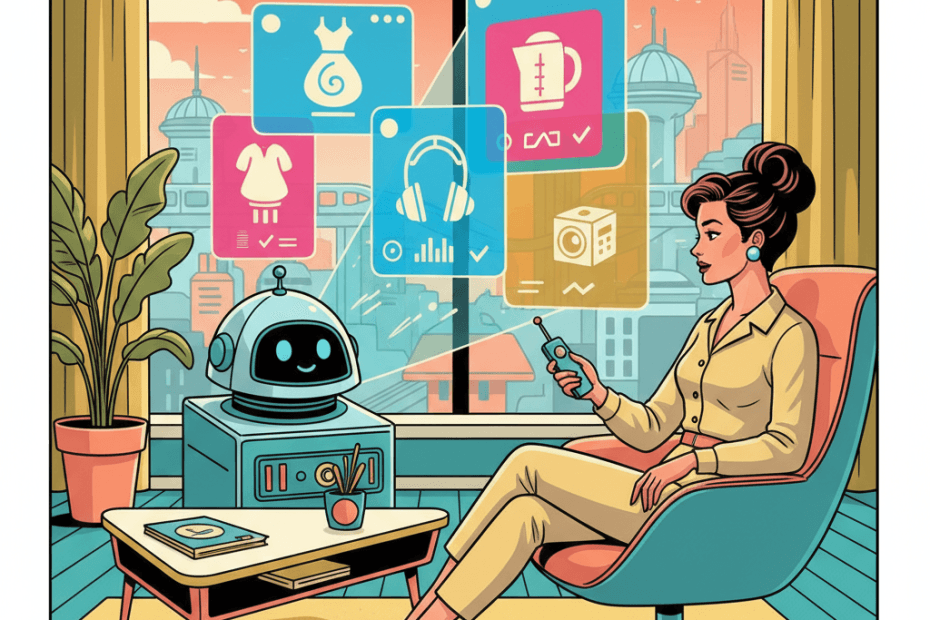
Online shopping has mostly meant a familiar routine: search, open a few tabs, skim reviews, compare prices, get distracted, and circle back later. The big AI companies clearly think that process is up for grabs.
OpenAI has just upgraded ChatGPT’s shopping experience so users can browse products more visually, compare options side by side, and ask for recommendations in a more natural back-and-forth way. At the same time, Google is adding more shopping plumbing to Gemini and AI Mode in Search, including fresher product data and tools that can let some retailers support carts, loyalty links and, in some cases, checkout inside Google’s AI experience.
This is not yet the moment when every UK shopper buys their next kettle, coat or birthday present through a chatbot. Most of the flashy examples are still coming from US retailers, and the category is plainly early. But the direction of travel is easy to see: AI companies want product discovery to start with them.
What has actually changed
OpenAI says ChatGPT can now show richer product results with prices, reviews and features presented side by side, and users can even upload an image as inspiration when trying to find something similar. That makes the tool feel less like a plain text assistant and more like a guided comparison layer sitting on top of shopping search.
Google’s side of the story is slightly different. Its updated Universal Commerce Protocol is designed to let retailers feed AI systems more reliable product information such as pricing, stock and variants, while also supporting extras like adding several items to a cart and, where integrated, connecting membership or loyalty benefits. Gap has also said customers will be able to buy products from its brands through Gemini and AI Mode, with Google Pay handling payment and the retailer handling fulfilment.
So the practical shift is not just that bots can recommend products a bit better. It is that the platforms are trying to move closer to the transaction itself.
Why ordinary shoppers might actually like this
To be fair, there is a real convenience case here. Plenty of shopping decisions are fuzzy rather than exact. You may not know the product name; you may only know that you want “a quiet cordless vacuum for a small flat” or “a wedding guest outfit that does not feel too formal”. AI is well suited to translating those vague needs into a shortlist.
That could be handy for people who find ordinary shopping results cluttered, ad-heavy or repetitive. Used well, AI shopping could become a decent first pass: not your final decision-maker, but a quicker way to get oriented.
Where the sensible caution comes in
The first thing to remember is that a helpful answer is not the same as a neutral answer. A chatbot may sound like a calm personal shopper, but it is still a system shaped by platform deals, merchant data, ranking choices and whatever information it has available at that moment. That polished tone can make recommendations feel more trustworthy than they really are, which is part of why clear safety signals in mainstream AI tools matter more than they might seem.
There is also a difference between product discovery and getting the best overall deal. A bot might help you find a suitable air fryer or backpack quickly, but that does not guarantee the lowest price, the best warranty, the fastest delivery or the easiest returns process. Even with fresher feeds, stock and pricing can move quickly.
And while Google’s protocol now supports things like identity linking and carts, those features will not appear everywhere at once. UK shoppers should assume the experience will be patchy for a while.
Don’t forget the data side of shopping chat
AI shopping also nudges people into sharing surprisingly personal details. Once you stop typing blunt search terms and start chatting naturally, you may reveal your budget, body shape, health needs, family situation, home layout or what a present is meant to say about a relationship. Uploading a photo for “something like this” can reveal even more.
That does not mean you should never use the feature. It does mean it is worth remembering the lesson from our recent look at the small print around AI data and identity: if a tool feels personal, that is exactly when it is wise to be more deliberate about what you hand over.
A good rule of thumb for UK buyers
For now, the healthiest way to use AI shopping is probably this: let it help you shortlist, compare and translate vague needs into clearer options, then do a normal human sense-check before you pay.
- open the retailer page yourself before buying
- check delivery times, returns and warranty details
- compare at least one or two prices elsewhere
- do not assume discount codes, loyalty perks or member prices are included
- be cautious about uploading photos or sharing sensitive personal details
Your consumer protections still come from the retailer, your payment method and the normal rules around the purchase, not from the chatbot that helped surface the item.
The non-hypey takeaway
AI shopping is becoming more real, but it is not magic and it is not friction-free yet. ChatGPT’s richer comparisons and Google’s more connected retail tools could genuinely make product discovery less annoying. That is useful. It does not mean the bot knows your taste better than you do, or that it has found the best option just because it presented one neatly.
For ordinary UK readers, the best mindset is simple: use the chatbot as a faster shortlist-builder, not as an automatic buyer. If it saves you time, great. If it starts nudging you towards an impulse purchase wrapped in a very confident tone, slow down and shop the old-fashioned way for another two minutes.
Sources:
OpenAI — Powering Product Discovery in ChatGPT
Google — AI shopping gets simpler with Universal Commerce Protocol updates
Gap Inc. — AI-powered fit and conversational checkout announcement
CNBC — Gap plans checkout inside Google Gemini