AI interviews are no longer a distant idea in recruitment. For many UK job seekers, they are already sitting between a CV and a conversation with a human being.
The Guardian reports that research from hiring platform Greenhouse found 47% of UK job seekers surveyed had taken part in an AI interview. The same survey found 30% of UK candidates had walked away from a hiring process because it included one.
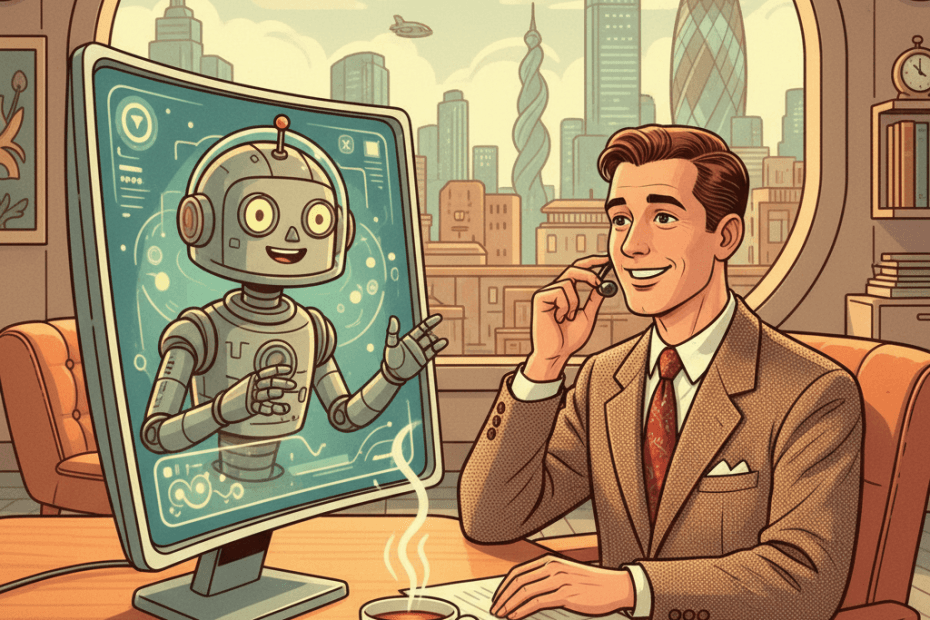
Those numbers matter because AI interviews change the feel of job hunting in a very practical way. Instead of building rapport with a person, candidates may be asked to answer timed questions into a camera, with little sense of who will watch the recording, how it will be scored, or whether a human will review the result at all.
What an AI interview usually means
The term can cover several different systems. Some interviews are not truly conversational: the candidate sees a question on screen, records an answer, and moves on. Others use software to transcribe, score or summarise what the applicant says. Some employers may combine these tools with online tests, personality assessments or automated CV screening.
For candidates, the experience can feel strangely one-sided. There may be no nods, follow-up questions or chance to ask for clarification. A process that is efficient for an employer can feel cold, awkward or unfair for the person trying to show how they work.
That does not mean every use of AI in hiring is automatically bad. Used carefully, technology can help employers manage large numbers of applications, standardise early questions and move faster. Many job seekers already use AI the other way round, too: for CV drafts, interview practice and planning answers. We have previously looked at how AI could make job hunting less painful for UK workers.
The problem is transparency and balance. A hiring tool can save time for one side while creating extra stress and uncertainty for the other.
Why it can feel so uncomfortable
Traditional interviews are imperfect, but they are social. Candidates can read the room, pause, recover, ask whether they have answered the question and get a sense of the employer’s culture. A recorded AI interview removes much of that feedback.
Timed answers can also reward a particular style of speaking. Someone who thinks carefully before answering, is nervous on camera, has a disability, is neurodivergent, speaks English as an additional language or simply performs better in conversation may feel at a disadvantage.
There is also the confidence problem. If the candidate receives a rejection after a machine-led interview, they may not know whether a person assessed their answer, whether keywords mattered, whether the system misunderstood them, or whether the role was already overloaded with applicants.
This is where ordinary users need to be cautious about AI in the workplace more broadly. Tools that look neutral can still affect people’s opportunities if they are poorly explained or over-trusted. The same lesson applies when companies say AI is changing work: UK workers should ask what the system is actually doing and who remains accountable.
What to check before you press record
If you are asked to complete an AI or automated video interview, treat it as a real interview, but also as a technology process. Before starting, check the invitation carefully for practical details:
- whether the interview is recorded, live, automated or reviewed later;
- who will see the recording or transcript;
- whether AI is scoring, summarising or filtering your answers;
- how long the recording will be kept;
- whether you can request reasonable adjustments;
- what to do if the software fails or you need to retake a question.
If the instructions are vague, it is reasonable to ask for clarification. A short email is enough: “Could you confirm whether the video interview will be assessed by a human recruiter, and whether any automated scoring is used?” You may not always get a detailed answer, but asking creates a record and helps you understand the process.
How to prepare without sounding robotic
The temptation with automated interviews is to speak in keywords, because it feels as if a machine may be listening for them. That can make answers stiff. A better approach is to prepare simple examples in advance, then speak naturally.
For common questions, write down three or four short stories from your work, study or volunteering experience: a problem you solved, a time you worked with others, a mistake you learned from, and a result you are proud of. Practise turning each into a clear answer with a beginning, middle and outcome.
Use AI tools carefully here. A chatbot can help you practise questions, shorten a rambling answer or spot missing details. But do not let it turn your answers into generic interview language. Employers are trying to understand you, not a polished template.
It is also worth doing a quick technical rehearsal. Check the camera, microphone, lighting, browser and internet connection. Put notes near the screen, not across it. If the system allows a practice question, use it. If it does not, record yourself once on your phone or laptop and check whether you are speaking clearly.
What employers should remember
For employers, the lesson is not simply “avoid AI”. It is to avoid hiding behind it.
If an organisation uses automated interviews, candidates should be told what role the technology plays, what human review exists, how adjustments can be requested, and how problems will be handled. A tool that makes recruitment faster should not make candidates feel disposable.
Clearer communication would also help employers. If good candidates abandon an application because the process feels opaque or humiliating, the company may be filtering out exactly the people it hoped to reach.
The practical takeaway
AI interviews are likely to become a normal part of early-stage recruitment, especially where employers receive large numbers of applications. The important thing is not to panic, and not to pretend they are just like human interviews.
For candidates, the sensible approach is: check what the tool is doing, ask for adjustments if needed, prepare real examples, keep answers clear and human, and save copies of the instructions. For employers, the responsibility is to be transparent, fair and ready to put a human back into the process when the technology gets in the way.
Job hunting is already stressful enough. AI should reduce friction, not turn the first step towards work into a guessing game with a camera.